
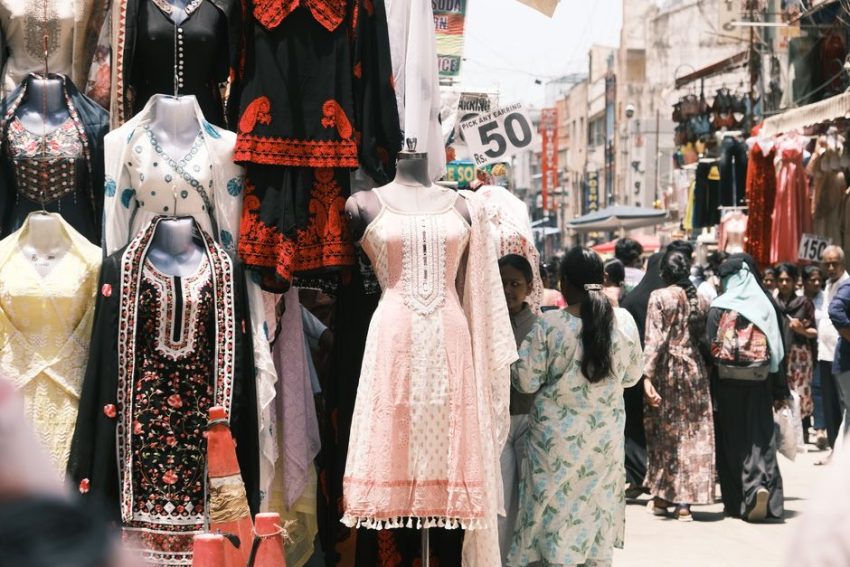
You know that rush when you grab a $12 top from Zara and it fits perfectly? I lived for that. Then I spent a year buying nothing from fast-fashion brands. Not one piece from H&M, Shein, Zara, or ASOS. Here’s what actually happened to my wardrobe, my wallet, and my sanity.
The First Three Months Were a Nightmare
I didn’t realize how often I used cheap clothes as a quick fix. Bored? Buy a $20 dress. Need a confidence boost? New sneakers. That impulse disappears when your only option is a $120 pair of Levi’s or a $90 Patagonia fleece.
The first month was brutal. I walked into Zara out of habit, touched a polyester blazer, and literally had to walk out. I felt deprived. My wardrobe felt boring.
Then something shifted around week eight. I stopped looking at clothes as disposable. That $12 top? It would pill after three washes. I knew that. I just didn’t care before.
The boredom forced better choices
Without the option to buy five cheap tops, I had to think harder about one good one. I started asking: Will I still wear this in two years? If the answer was no, I didn’t buy it.
My first intentional purchase was a Patagonia Better Sweater fleece ($139). It’s been through 40+ wears and still looks new. That $12 Zara top would have been in a landfill by month three.
The Numbers Nobody Talks About

Let’s be direct: fast fashion is cheap because someone else pays the real cost. The average garment worker in Bangladesh earns about $0.25 per hour. That $5 Shein dress? The worker got pennies.
| Item | Fast Fashion Price | Ethical Alternative | Cost Per Wear (after 50 wears) |
|---|---|---|---|
| Basic t-shirt | $8 (H&M) | $45 (Everlane) | $0.90 vs $0.16 |
| Denim jeans | $30 (Zara) | $98 (Levi’s) | $0.60 vs $1.96 |
| Wool sweater | $25 (Shein) | $125 (Patagonia) | $0.50 vs $2.50 |
The cheap stuff is more expensive over time. That $8 H&M tee lasts 10 washes before it’s trash. The Everlake tee lasts 100+. Cost per wear flips completely.
I saved roughly $400 over the year buying fewer, better items. My wardrobe shrunk by 60% but I wear every single piece.
The Real Reason Your Clothes Fall Apart
Fast fashion uses low-twist cotton and polyester blends because they’re cheap. Low-twist cotton pills. Polyester traps sweat and smells after a few wears. The stitching is loose — often 6-8 stitches per inch instead of the 12-14 used in quality garments.
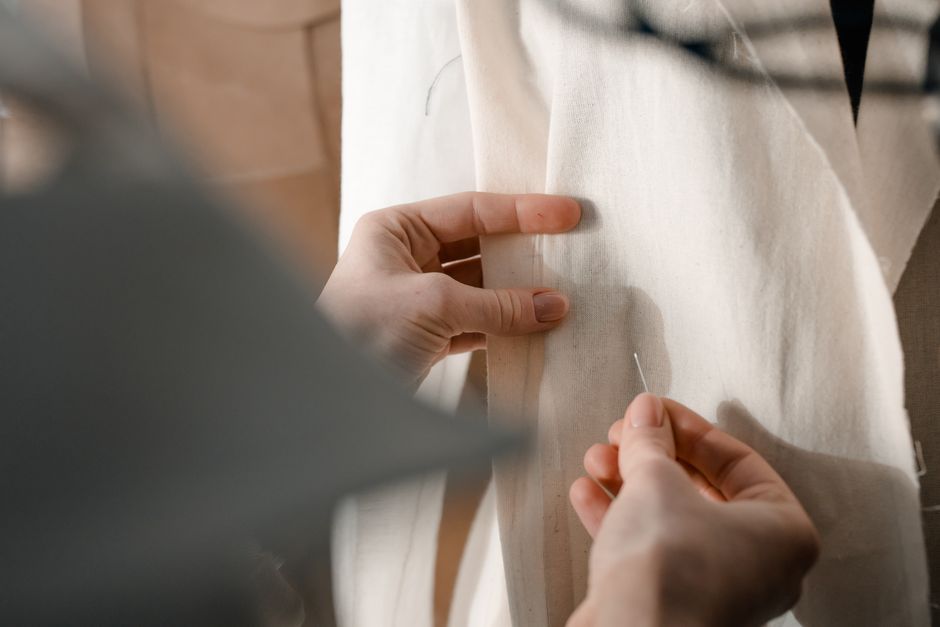
I tested this. My old Zara blazer had thread unraveling after three dry cleans. My Everlane blazer ($178) has been dry-cleaned eight times and looks identical to day one. The difference is the construction, not the label.
What to look for instead
Turn a garment inside out. Check the seams. If you see loose threads or uneven stitching, put it back. Look for French seams or flat-felled seams — those last. Check the fabric content tag. Anything under 80% natural fiber (cotton, wool, linen) for a basic piece is a red flag.
My rule now: If I wouldn’t hand-wash it, I don’t buy it. That filters out 90% of fast fashion automatically.
What I Actually Missed (and What I Didn’t)
I missed trends. That’s it. The dopamine hit of wearing something new that my friends hadn’t seen yet. That’s real. I won’t pretend otherwise.
But here’s the thing: trends die fast. That cargo skirt trend from Shein (2026)? Nobody wears it now. I spent $40 on a skirt I wore twice. That’s $20 per wear. My Levi’s 501 jeans ($98) have been worn 200+ times. That’s $0.49 per wear.
What I didn’t miss: the guilt. Knowing a garment was made by someone earning poverty wages. The shame of throwing away clothes after three months. The clutter of a bursting closet where I couldn’t find anything I actually liked.
The trend trap is real
Fast fashion sells you the idea that you need a new look every season. You don’t. You need a few great pieces that work together. I own 35 items total now. I can make 60+ outfits from them. That’s more than I ever wore from my 200-item fast-fashion wardrobe.
Here’s the Verdict After 365 Days
I’m not going back. Not because I’m a saint. Because the quality difference is undeniable. My clothes fit better, last longer, and I don’t feel like I’m participating in something broken.
If you’re thinking about quitting fast fashion, start with one category. Stop buying cheap t-shirts. Buy one Everlane Organic Cotton Tee ($32) or one Patagonia Capilene Cool Daily shirt ($45). Wear it for a month. See if you miss the $8 version.
You won’t.
The year taught me that fast fashion isn’t a deal — it’s a trap. You pay less upfront and more in every other way: money, time, environmental damage, and self-respect. Buy less. Buy better. Keep it longer. That’s the whole thing.