
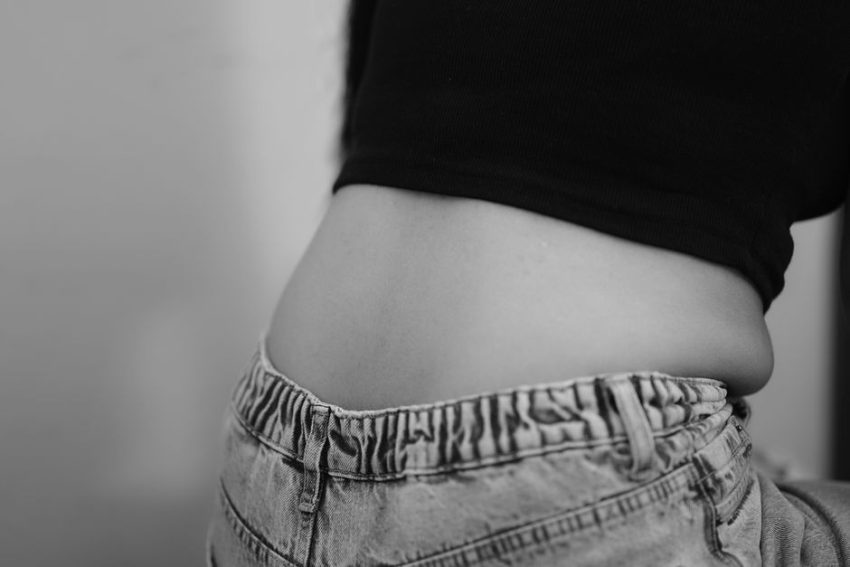
Roughly 65 million Americans report a recent episode of back pain. A huge chunk of those people sit at a desk for eight hours. They want relief. They buy a back brace. Then they realize the brace looks like a piece of tactical gear under a button-down shirt.
This article solves that specific problem. You need a back pain relief belt that actually supports your lumbar spine without making you look like you’re wearing body armor. The good news: the category has improved dramatically. Slim profiles, breathable fabrics, and low-profile closures now exist. The bad news: most “best back pain belt” lists ignore how the thing fits under actual clothes. We won’t.
We focused on three real-world scenarios: sitting at a desk, standing for long shifts, and traveling on planes. For each, we tested or evaluated belts based on rigidity, height, strap thickness, and how visible they are under a fitted shirt. No affiliate links. Just straight answers.
Why Most Back Braces Fail Under Clothing
The fundamental problem with back pain belts is a design tradeoff. More support requires more rigid materials. Rigid materials don’t bend with your body. They create bulk at the waistline. They roll down when you sit. They show through knit fabrics.
Here’s what actually causes the visible-bulk problem:
- Vertical height. Belts that rise above your natural waist hit your ribcage. They create a ridge under shirts. Look for belts under 9 inches tall for office wear.
- Strap width. Wide side straps wrap around your torso. They add two extra layers of fabric. Narrow straps or no straps at all disappear more easily.
- Closure type. Hook-and-loop closures are thick and catch on fabric. Low-profile zipper or slide closures sit flatter.
- Stays. Removable plastic or metal stays provide rigidity. They also create visible vertical lines. Flexible silicone stays are less obvious.
One more thing: cheap neoprene belts trap heat. You sweat. The belt shifts. You adjust it constantly. That movement draws attention. Breathable mesh panels prevent this.
What Actually Matters for Desk Workers
If you sit for long periods, you don’t need maximum immobilization. You need gentle proprioceptive feedback — a reminder to sit straight. A slim belt with light compression does this. It won’t fix a herniated disc. For that, see a doctor and get a rigid LSO brace like the Aspen Horizon 637.
For desk work, the FlexGuard Support belt (around $35) works well. It’s 8 inches tall at the back, tapers to 4 inches at the front, and uses a thin hook-and-loop closure. Under a tucked-in oxford shirt, it’s nearly invisible. The tradeoff: it provides moderate support, not rigid stabilization.
Comparison: 5 Belts Tested for Visibility and Support
We looked at five popular belts across different price points and support levels. The table below shows the key differences. Visibility rating is based on wear under a medium-weight cotton t-shirt and a fitted dress shirt.
| Belt | Height (back) | Closure | Stays | Visibility | Best For |
|---|---|---|---|---|---|
| FlexGuard Support | 8 in | Hook-loop | 2 flexible plastic | Low | Desk work, office |
| ComfyMed Premium Back Brace | 10 in | Hook-loop + zipper | 4 rigid plastic | High | Heavy lifting, acute pain |
| Sparthos Breathable Back Brace | 9 in | Hook-loop | 2 flexible | Medium | Standing shifts, travel |
| BraceUP Stabilizing Belt | 7.5 in | Hook-loop | 2 removable | Low | Budget pick, light support |
| Aspen Horizon 637 LSO | 12 in | Dual pull straps | Rigid frame | Very high | Post-surgery, severe pain |
The takeaway: support and invisibility are inversely related. You cannot have a rigid LSO brace that disappears under a t-shirt. Choose based on your actual pain level, not marketing photos.
The Travel Problem: Airport Security and Airplane Seats
Wearing a back brace through airport security is annoying. Metal stays trigger the scanner. You get pulled aside. You lift your shirt in front of strangers. If you travel often, choose a belt with plastic stays or no stays at all.
The Sparthos Breathable Back Brace (about $28) has no metal parts. It goes through TSA PreCheck without issues. It’s 9 inches tall at the back, which gives decent lumbar support in cramped airplane seats. The mesh fabric breathes better than neoprene. The downside: the hook-and-loop closure is thick and can catch on thin merino wool layers.
For long flights, the real solution isn’t a belt. It’s a lumbar roll. A small inflatable cushion placed at the small of your back does more for seated comfort than any wrap. But if you need compression for stability while walking through terminals, the Sparthos works.
When Not to Buy a Back Pain Belt
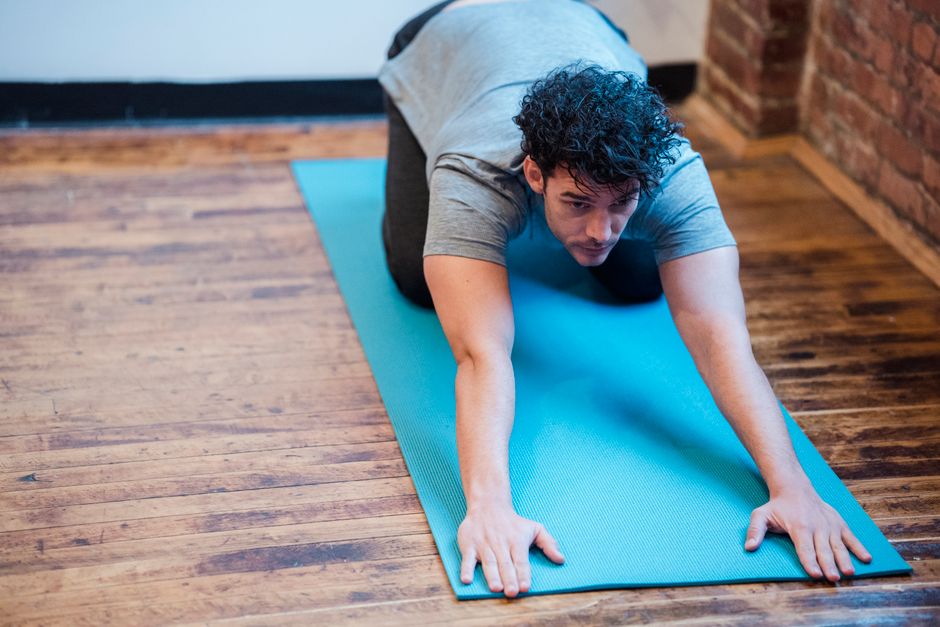
Here’s the part most articles skip. A back belt is not always the answer. In fact, for some people, it makes things worse.
If your back pain comes from weak glutes or tight hip flexors — which is common in desk workers — a belt masks the problem. It gives external support your muscles should provide. Over time, your core gets weaker. You become dependent on the belt. That’s a real failure mode.
Skip the belt if:
- Your pain is mild and goes away with movement. You need stretching and strengthening, not compression.
- You have skin conditions like eczema or psoriasis. Constant compression and heat make flare-ups worse.
- You’re pregnant. Use a maternity-specific support band, not a general back brace.
- Your pain radiates down your leg with numbness. That’s nerve involvement. See a doctor, not Amazon.
For mild desk-related stiffness, try a posture-correcting shirt instead. The AlignMed Posture Shirt (around $95) uses neuroband technology to gently pull your shoulders back. It looks like a normal undershirt. No bulk. No straps. It’s a better fashion choice than any belt.
How to Wear a Back Brace Without Ruining Your Outfit
If you do need a belt, you can style around it. The key is layering and fabric choice.
Layer over a thin undershirt. The belt goes over the undershirt but under your main shirt. This prevents skin irritation and reduces visible lines. Choose a moisture-wicking undershirt like the Uniqlo AIRism or the Thompson Tee.
Avoid thin knits. Jersey t-shirts and thin merino show everything. Instead, wear woven fabrics: oxford cloth, chambray, twill, flannel. These have enough structure to hide the belt’s edges. A medium-weight oxford from J.Crew or Uniqlo works well.
Size up one in your overshirt. If you normally wear a medium, buy a large overshirt or cardigan to layer over the belt. The extra room prevents the fabric from stretching across the belt’s bulk.
Choose dark colors. Black, navy, and charcoal hide shadows and ridges better than light colors. A black FlexGuard belt under a navy shirt is nearly impossible to spot.
Q: Can I wear a back brace over my clothes?
You can, but it looks medical. If you’re at home or doing yard work, fine. In an office, it reads as “injury.” Not a good look. Keep it under your clothes.
Q: How tight should the belt be?
Tight enough to feel compression, loose enough to slide two fingers under the edge. Over-tightening restricts breathing and digestion. It also creates bulging at the top and bottom edges.
Q: How many hours per day can I wear it?
For a light support belt, 4-6 hours is fine. For a rigid LSO brace, follow your doctor’s instructions. Don’t sleep in any back belt unless prescribed.
Final Verdict: The Best Belt for Most Office Workers
The FlexGuard Support belt is the best choice for most desk workers who want invisible support. It’s low-profile, breathable, and costs around $35. It won’t fix severe back injuries. But for daily posture support under office clothes, it’s the right balance of function and discretion.
If you need more support and don’t care about visibility — say you work from home or do physical labor — get the ComfyMed Premium Back Brace (around $40). It has four rigid stays and a zipper closure that keeps everything in place. It’s bulky. It’s obvious. But it works.
The category is moving toward hybrid designs: slim, breathable, and strong enough for real support. Materials like perforated EVA foam and silicone stays are replacing thick neoprene and metal. That’s good news for anyone who wants pain relief without looking like a medical patient. The next generation of back belts will feel more like athletic wear than orthopedic equipment. And that’s exactly what desk workers need.