
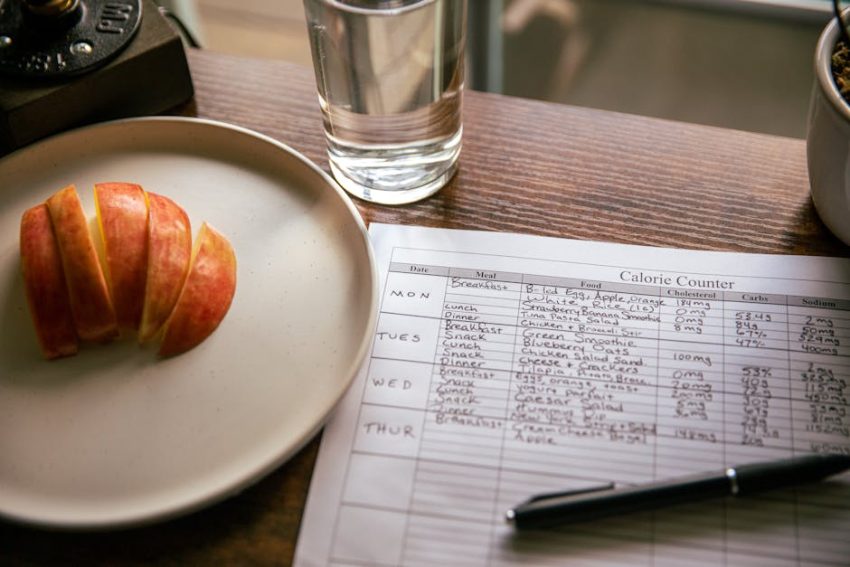
You’ve decided to lose weight. You also eat a vegetarian diet. Combining these two goals often brings up immediate questions: How do I cut calories without feeling constantly hungry? Where will I get enough protein? Will I miss out on essential nutrients? This isn’t a unique struggle. Many vegetarian individuals face these exact concerns when aiming for weight loss.
The good news is that a well-planned vegetarian diet can be incredibly effective for weight management. Plant-based foods are often rich in fiber, which promotes satiety, and lower in saturated fat compared to many animal products. The key lies in strategic food choices and understanding basic nutritional principles. This guide cuts through the noise, providing clear, actionable advice for a healthy vegetarian weight loss plan in 2026.
The Calorie Deficit: Your Vegetarian Starting Point
Weight loss boils down to one fundamental principle: consuming fewer calories than your body burns. This is known as a calorie deficit. For vegetarians, achieving this deficit is often simpler than for meat-eaters due to the inherent fiber and lower calorie density of many plant foods. However, it’s still possible to overeat on a vegetarian diet, especially with processed plant-based foods, fried items, or excessive consumption of high-fat ingredients like nuts, seeds, and oils without portion control. Understanding your personal calorie needs is the first, most crucial step.
Ignoring your basal metabolic rate (BMR) and activity level means you’re flying blind. You need a target. Without one, consistency becomes impossible. Many online calculators can provide a starting estimate, but remember these are just estimates. Listening to your body and tracking your progress are equally important.
Calculating Your Daily Needs
Your BMR is the number of calories your body burns at rest, just to keep basic functions like breathing and circulation going. You then multiply this by an activity factor to get your Total Daily Energy Expenditure (TDEE). Simple online calculators, such as those provided by the Mayo Clinic or USDA, can help you estimate your BMR and TDEE. For example, a moderately active adult woman might have a TDEE of around 2,000-2,200 calories. To lose weight safely, aiming for a deficit of 500 calories per day is often recommended, leading to about one pound of fat loss per week. This means, in our example, aiming for 1,500-1,700 calories daily.
Don’t drop your calories too low too fast. Rapid, drastic cuts are unsustainable and can lead to nutrient deficiencies, muscle loss, and a rebound effect. A gradual, consistent deficit is the smarter path. Focus on nutrient-dense foods that provide volume and satiety without excessive calories. Think large salads, vegetable-rich stir-fries, and hearty bean stews. These are your allies.
Adjusting for Activity and Goals
Your TDEE isn’t static. It changes based on your daily activity. Someone training for a marathon will have a much higher TDEE than someone with a desk job. Be honest about your activity level when using a calculator. It’s better to underestimate slightly than to overestimate and find yourself not losing weight because your deficit isn’t actually a deficit.
If you start a new exercise regimen, your calorie needs will increase. If your weight loss stalls after a few weeks, you might need to slightly reduce your intake further, or increase your activity. Conversely, if you feel consistently exhausted or overly hungry, your deficit might be too aggressive. Adjust slowly, perhaps by 100-200 calories at a time. The goal is sustainable weight loss, not a race. Remember, muscle mass also impacts metabolism; more muscle means a higher resting calorie burn. Incorporating strength training into your routine, even light bodyweight exercises, will support your weight loss efforts by preserving and building muscle.
Essential Vegetarian Protein Sources for Weight Loss
Protein is critical for weight loss. It increases satiety, meaning you feel full longer, which helps reduce overall calorie intake. It also helps preserve muscle mass during weight loss, ensuring that the weight you lose is primarily fat. For vegetarians, ensuring adequate protein can seem challenging, but a wide variety of plant-based sources exist. You just need to know where to find them and how to incorporate them effectively.
High-Protein Plant Foods
Focus on a diverse range of plant proteins at every meal. This isn’t just about hitting a number; it’s about providing your body with a full spectrum of amino acids. Here are some of the most effective options:
- Legumes: Lentils, chickpeas, black beans, kidney beans, and edamame are powerhouse options. A half-cup serving of cooked lentils, for example, offers about 9 grams of protein. These also come packed with fiber, further boosting satiety.
- Tofu and Tempeh: These soy-based foods are complete proteins, meaning they contain all nine essential amino acids. Firm tofu provides about 10 grams of protein per half-cup, while tempeh (fermented soy) offers around 16 grams per half-cup. They are incredibly versatile and can be used in stir-fries, scrambles, or grilled.
- Seitan: Made from wheat gluten, seitan is a high-protein, low-fat option. It provides around 20-25 grams of protein per 3-ounce serving. It has a meat-like texture, making it a popular meat alternative.
- Nuts and Seeds: Almonds, peanuts, walnuts, chia seeds, flax seeds, and hemp seeds contribute significant protein, alongside healthy fats and fiber. A quarter-cup of almonds offers about 6 grams of protein. However, they are calorie-dense, so portion control is key.
- Whole Grains: Quinoa, farro, and oats contain more protein than refined grains. Quinoa, in particular, is a complete protein, offering 8 grams per cooked cup.
- Nutritional Yeast: Often used to add a cheesy flavor, nutritional yeast also provides a protein boost, with about 8 grams per quarter-cup, along with B vitamins.
Aim for at least 20-30 grams of protein per meal to maximize satiety and muscle synthesis. For example, a breakfast might include a tofu scramble (15g protein) with whole-wheat toast (4g protein) and a sprinkle of hemp seeds (3g protein). For lunch, a large lentil soup (18g protein) with a side salad.
Supplement Considerations
While it’s entirely possible to meet your protein needs through whole foods, some vegetarians, especially those with higher protein requirements (e.g., athletes) or those struggling to consume enough, might consider plant-based protein powders. These are not magic solutions but convenient ways to boost intake.
Look for powders made from pea, rice, soy, or a blend of these. Brands like Orgain Organic Protein Powder and Vega Protein and Greens offer various formulations. A typical scoop provides 20-25 grams of protein. They can be added to smoothies, oatmeal, or even mixed with water. Always check the ingredient list for added sugars or artificial sweeteners, and opt for options with minimal additives. Remember, supplements should complement, not replace, a diet rich in whole, unprocessed plant foods.
Sample 7-Day Vegetarian Weight Loss Meal Plan (2026)
Consistency is key to any weight loss journey. A structured meal plan removes guesswork and reduces the likelihood of impulse, unhealthy food choices. This sample plan focuses on nutrient density, satiety, and calorie control, providing a framework that you can adapt to your own preferences and schedule. The calorie targets here are illustrative; adjust them based on your calculated individual needs, aiming for a deficit.
This plan emphasizes whole foods, adequate protein, and plenty of fiber. Portion sizes are crucial; use measuring cups and food scales initially to understand what a serving looks like. This plan assumes a daily intake of approximately 1600-1800 calories, which is a common target for moderate weight loss for many individuals.
| Meal | Monday | Tuesday | Wednesday | Thursday | Friday | Saturday | Sunday |
|---|---|---|---|---|---|---|---|
| Breakfast | Tofu Scramble (1/2 block tofu) with spinach and whole-wheat toast (1 slice) | Oatmeal (1/2 cup dry) with berries (1/2 cup) and 1 tbsp chia seeds | Greek yogurt (1 cup, dairy-free options like Oatly or Silk) with sliced apple and sprinkle of walnuts | Whole-wheat pancakes (2 small) with fresh fruit and a drizzle of maple syrup (1 tbsp) | Smoothie: plant milk (1 cup, e.g., Califia Farms), 1 scoop protein powder (e.g., Orgain), 1/2 banana, handful of spinach | Breakfast burrito: whole-wheat tortilla, black beans (1/2 cup), salsa, avocado (1/4) | Veggie omelet (2 eggs or tofu egg alternative) with mushrooms, peppers, side of fruit |
| Lunch | Large Lentil Soup (1.5 cups) with a side salad (mixed greens, light vinaigrette) | Chickpea Salad Sandwich (1/2 cup chickpeas, mashed) on whole-wheat bread with lettuce & tomato | Quinoa Salad (1 cup cooked) with cucumber, bell peppers, parsley, lemon dressing, 1/2 cup edamame | Leftover dinner from Monday | Black Bean Burger (1 patty, e.g., Beyond Meat) on a whole-wheat bun with extensive veggies, no cheese | Large mixed green salad with grilled tempeh (4 oz) strips, various veggies, 1 tbsp olive oil dressing | Leftover dinner from Saturday |
| Dinner | Chickpea and Vegetable Curry (1.5 cups) with 1/2 cup brown rice | Stir-fry with mixed vegetables and seitan (4 oz), light soy sauce, 1/2 cup quinoa | Pasta (1 cup cooked whole wheat) with marinara sauce and a generous amount of steamed broccoli | Baked Sweet Potato (medium) stuffed with black beans (1/2 cup), corn, salsa, and a dollop of dairy-free sour cream | Lentil Shepherd’s Pie (1.5 cups) with a mashed sweet potato topping and green beans | Taco Night: whole-wheat tortillas, spiced crumbled tofu (5 oz), lettuce, tomato, salsa, small amount of avocado | Roasted Root Vegetables (carrots, parsnips, potatoes – 2 cups total) with a large serving of baked tofu (6 oz), seasoned with herbs |
| Snacks | Apple with 1 tbsp peanut butter | Handful of almonds (1/4 cup) | Carrot sticks with 2 tbsp hummus | Orange | Rice cakes (2) with 1 tbsp avocado spread | Mixed berries (1 cup) | Small handful of walnuts (1/4 cup) |
Breakfast Ideas
Start your day with satisfying, protein-rich options. A tofu scramble is quick and versatile, easily adaptable with different vegetables. Oatmeal provides complex carbs and fiber, especially when topped with fruit and seeds. Dairy-free yogurts, like those from Oatly or Silk, can be excellent sources of protein if fortified, and make a good base for fruit and nuts. Even simpler, a plant-based protein smoothie ensures you hit your protein target early in the day, helping manage hunger.
Lunch & Dinner Strategies
Focus on incorporating a variety of legumes, whole grains, and plenty of non-starchy vegetables. Lentil soups, chickpea salads, and quinoa bowls are excellent choices for lunch, often easy to prepare in advance. For dinner, explore plant-based curries, stir-fries with tempeh or seitan, or hearty bean and vegetable stews. Brands like Beyond Meat offer plant-based burger patties that can be a good option for occasional variety, ensuring you stick to whole-food options most of the time. Vary your protein sources throughout the week to ensure a wide range of nutrients.
Snack Options
Smart snacking can prevent overeating at main meals. Opt for snacks that combine protein and fiber to maximize satiety. Examples include an apple with a tablespoon of nut butter, a small handful of almonds or walnuts, or vegetable sticks with hummus. These choices provide sustained energy and keep hunger at bay without adding excessive calories.
Avoiding Common Nutrient Deficiencies on a Vegetarian Diet

While a vegetarian diet is often lauded for its health benefits, certain nutrients require special attention to avoid deficiencies, especially when aiming for weight loss. Restricting calorie intake can inadvertently restrict essential micronutrients if food choices aren’t strategic. Addressing these proactively ensures your weight loss is healthy and sustainable.
How do vegetarians get enough Iron?
Iron is a common concern for vegetarians. Plant-based iron (non-heme iron) is not absorbed as efficiently as iron from animal sources. However, you can significantly improve absorption by pairing iron-rich plant foods with Vitamin C. Foods high in iron include lentils, spinach, kale, black beans, tofu, fortified cereals, and pumpkin seeds. For example, a spinach salad with chickpeas and bell peppers (rich in Vitamin C) is an excellent combination. Adding a squeeze of lemon juice to your lentil soup also helps. Aim for consistent intake of these foods. If concerned, a doctor can recommend blood tests to check your levels. A general vegan multivitamin can also provide a small amount of supplemental iron.
What about B12 and Omega-3s?
Vitamin B12: This is arguably the most critical nutrient for vegetarians and vegans to monitor, as it is primarily found in animal products. B12 is essential for nerve function and red blood cell formation. For vegetarians who consume dairy and eggs, these can provide some B12, but often not enough, especially for weight loss diets that might limit these foods. Fortified foods like plant milks (e.g., Oatly, Silk, Almond Breeze), some cereals, and nutritional yeast can contribute. However, a reliable B12 supplement is often necessary. Dosage varies, but 250-1000 micrograms daily or a larger dose a few times a week is commonly recommended. Brands like Deva Vegan Multivitamin or Naturelo Whole Food Multivitamin include B12 in their formulations.
Omega-3 Fatty Acids: While plant sources contain alpha-linolenic acid (ALA), which the body can convert to EPA and DHA (the forms found in fish), this conversion is inefficient. Good ALA sources include flaxseeds, chia seeds, hemp seeds, and walnuts. For optimal health and especially if you’re not eating fish, supplementing with an algal oil-based DHA/EPA supplement is a smart move. This ensures you get the direct forms of these essential fatty acids without relying on inefficient conversion.
Is Calcium a concern?
Calcium is crucial for bone health, and while dairy is a well-known source, many plant foods are rich in it. Fortified plant milks (like almond, soy, and oat milk), fortified orange juice, tofu (calcium-set), collard greens, kale, broccoli, and sesame seeds (tahini) are excellent sources. Aim for around 1,000 mg of calcium daily. Combining sources throughout the day is the best approach. For example, a smoothie with fortified plant milk and a handful of spinach, or a stir-fry with calcium-set tofu and broccoli. If your diet is consistently low in these foods, a calcium supplement might be considered, but food sources are always preferred for better absorption.
The Often Overlooked Pillars: Fiber and Hydration
Fiber and adequate hydration are fundamental to successful vegetarian weight loss, yet they are frequently underestimated. These two elements work synergistically to promote satiety, aid digestion, and support overall metabolic function. Neglecting them can sabotage even the most well-intentioned diet plan.
A high-fiber diet is a non-negotiable for lasting weight loss. Fiber expands in the stomach, creating a feeling of fullness that lasts longer than calorie-equivalent low-fiber foods. This directly translates to reduced overall calorie intake. Furthermore, fiber supports a healthy gut microbiome, which is increasingly linked to weight management and metabolic health. Your vegetarian diet should naturally be high in fiber if you’re focusing on whole plant foods like fruits, vegetables, legumes, and whole grains. Aim for 25-38 grams of fiber per day. Staying hydrated, on the other hand, means drinking plenty of water throughout the day. Often, thirst is mistaken for hunger. Sipping water can curb unnecessary snacking and supports all bodily functions, including metabolism. Keep a water bottle handy and aim for at least 8-10 glasses (around 2-2.5 liters) daily. This simple habit makes a significant difference.