

Did you know that despite a multi-billion dollar industry built around "immune boosters," infectious diseases remain a leading cause of morbidity and mortality worldwide? We spend countless dollars on pills and potions, yet many of us still find ourselves sidelined by seasonal colds or worse. The truth is, navigating the world of immune support can feel overwhelming, with bold claims and conflicting advice at every turn. Many products promise to "boost" your immune system, but what does that even mean?
This guide cuts through the marketing noise to deliver research-backed insights. We’ll explore what genuinely supports a robust immune response, identify common pitfalls to avoid, and recommend specific, high-quality products. Our goal isn’t to find a magic bullet, but to equip you with the knowledge to make informed decisions for lasting wellness.
What Really Boosts Immunity? Debunking Common Claims
Let’s be blunt: most "immune-boosting" claims on supplement labels are marketing hype, not science. The human immune system is an incredibly complex network, not a simple dial you can crank up. It operates in a delicate balance, constantly adapting and responding to threats. An immune system that is perpetually "boosted" could actually be problematic, potentially leading to autoimmune responses where the body attacks its own healthy tissues. The real goal isn’t a turbo-charged immune system, but one that is well-nourished, balanced, and ready to respond appropriately.
The Myth of "Boosting"
When you hear "immune boost," it often conjures images of an army suddenly getting more soldiers. In reality, your immune system needs the right resources to function optimally, not an arbitrary increase in activity. Think of it like a finely tuned orchestra. You don’t want every instrument playing as loud as possible all the time; you want each section to play its part accurately and in harmony. Supplements, when effective, provide the raw materials or modulate responses, helping the orchestra play its best, not simply play louder.
Over-stimulating certain parts of the immune system without addressing foundational health can lead to inflammatory issues or, as mentioned, autoimmune conditions. The focus should always be on providing foundational support and correcting deficiencies, allowing your body’s natural defenses to work as intended.
How the Immune System Actually Works
Your immune system has two main branches: innate and adaptive. The innate immune system is your body’s first line of defense, acting quickly and non-specifically against invaders. This includes physical barriers like skin and mucous membranes, as well as cells like natural killer cells and macrophages. The adaptive immune system is more specific, learning to recognize particular pathogens after initial exposure and building a memory for future encounters. This involves T-cells and B-cells, which produce antibodies. Both systems require specific nutrients to build, maintain, and communicate effectively. Without these essential building blocks, the entire network can falter, making you more susceptible to illness.
Why Supplements Aren’t a Magic Bullet
Supplements are most effective when they address a specific nutrient deficiency or provide targeted support for a known physiological pathway. If your diet is already rich in vitamins and minerals, and you maintain a healthy lifestyle, adding more of a nutrient might not offer additional benefits and could even be harmful in some cases. The power of supplements lies in their ability to fill nutritional gaps, not to miraculously prevent every illness. They are tools for support, not a replacement for a balanced diet, adequate sleep, and stress management.
Essential Ingredients for Robust Immune Support

While no single ingredient offers a "cure-all," several vitamins, minerals, and compounds have robust scientific backing for their role in immune function. Focusing on these foundational elements can make a real difference in your overall resilience.
Vitamin D: The Sunshine Regulator
Often called the "sunshine vitamin," Vitamin D is actually a hormone precursor, playing a critical role far beyond bone health. It modulates both innate and adaptive immune responses, influencing the activity of T-cells and macrophages. Many adults are deficient, especially during winter months or if they have limited sun exposure. Optimal blood levels are crucial for immune resilience.
- Mechanism: Vitamin D receptors are found on almost all immune cells, allowing it to directly influence their gene expression and function. It helps regulate inflammatory responses and antimicrobial peptide production.
- Dosage & Form: For many adults, 2000-5000 IU (International Units) daily is a common maintenance dose, though higher doses might be needed to correct deficiencies. Always opt for Vitamin D3 (cholecalciferol) as it’s the most bioavailable form. It’s best taken with a meal containing fat for optimal absorption.
- Food Sources: Fatty fish (salmon, mackerel), fortified milk and cereals, egg yolks.
- Product Example: Pure Encapsulations Vitamin D3 (5000 IU) – Known for its purity and hypoallergenic formulation, ensuring you get exactly what you need without unnecessary fillers. Approximately $25-30 for 120 softgels.
Zinc: The Immune Cell Architect
Zinc is an essential trace mineral involved in over 300 enzymatic reactions in the body, with a significant role in immune cell development and function. A zinc deficiency can impair immune responses, making you more vulnerable to infections.
- Mechanism: Zinc is vital for the development and activation of T-lymphocytes, which are critical for adaptive immunity. It also acts as an antioxidant and helps maintain the integrity of mucosal barriers.
- Dosage & Form: For daily immune support, 15-30 mg/day is typically sufficient. For acute cold symptoms, some protocols suggest higher, short-term doses (up to 75 mg/day) but always consult a professional for higher intakes due to potential side effects. Zinc picolinate or gluconate are highly absorbable forms. Avoid zinc oxide, which has poor bioavailability.
- Food Sources: Oysters, red meat, poultry, beans, nuts, whole grains.
- Product Example: Thorne Research Zinc Picolinate (30mg) – Thorne is renowned for its high-quality, pure supplements. This form is well-absorbed and provides a robust daily dose. Around $20 for 60 capsules.
Vitamin C: Antioxidant & Protector
While not a "cold preventative" in the way many believe, Vitamin C is a powerful antioxidant that supports various immune cell functions and helps protect cells from damage.
- Mechanism: It supports the production and function of various immune cells, including phagocytes and lymphocytes. It also strengthens epithelial barriers, which are the first line of defense against pathogens.
- Dosage & Form: For general immune support, 500-1000 mg/day is common. During acute illness, doses might be temporarily increased, but excessive amounts can lead to digestive upset. Buffered forms are gentler on the stomach.
- Food Sources: Citrus fruits, bell peppers, strawberries, broccoli.
- Product Example: NOW Foods Vitamin C-1000 – A reliable, cost-effective option providing a strong dose of Vitamin C in an accessible form. Approximately $15 for 250 tablets.
Probiotics: Gut-Immune Connection
Your gut houses a significant portion of your immune system, making a healthy microbiome crucial for overall immunity. Probiotics are beneficial bacteria that can support gut health and, by extension, immune function.
- Mechanism: Probiotics help maintain a healthy balance of gut flora, which prevents harmful bacteria from colonizing. They also interact with immune cells in the gut, influencing immune responses throughout the body.
- Dosage & Form: Look for multi-strain formulas with at least 10-50 billion CFU (colony-forming units). Different strains offer different benefits, so diversity is often key.
- Food Sources: Fermented foods like yogurt, kefir, sauerkraut, kimchi.
- Product Example: Garden of Life Dr. Formulated Probiotics Immune+ – This product is specifically designed for immune support, featuring a high CFU count and specific strains known to benefit immunity, plus Vitamin C and D. Around $30 for 30 capsules.
Common Mistakes When Buying Immune Supplements
The supplement aisle can be a minefield of misinformation and low-quality products. Avoiding these common mistakes can save you money, frustration, and potential health issues.
-
Ignoring Quality and Third-Party Testing
The supplement industry is not as tightly regulated as pharmaceuticals. This means product purity and potency can vary wildly. Many products don’t contain the ingredients listed on the label, or they contain contaminants. Always look for brands that conduct third-party testing (e.g., USP, NSF International, ConsumerLab.com certifications). These certifications verify that what’s on the label is actually in the bottle and that the product is free from harmful contaminants like heavy metals.
-
Overdosing and Nutrient Imbalances
More is not always better. For example, excessive zinc intake can lead to a copper deficiency, as these minerals compete for absorption. High doses of fat-soluble vitamins (A, D, E, K) can accumulate in the body and become toxic. Always adhere to recommended dosages and be aware of the upper tolerable intake levels for each nutrient. Consulting a healthcare professional can help you understand your specific needs and avoid imbalances.
-
Expecting Quick Fixes Without Lifestyle Changes
A supplement is just that — a supplement to a healthy lifestyle, not a replacement for it. If you’re consistently eating processed foods, getting insufficient sleep, under chronic stress, or rarely exercising, no amount of immune-boosting pills will make a significant impact. These foundational habits are the true pillars of a strong immune system. Expecting a pill to counteract poor lifestyle choices is a recipe for disappointment.
-
Forgetting Potential Medication Interactions
Supplements, especially herbs like echinacea or elderberry, can interact with prescription medications. For instance, some immune-modulating herbs might interfere with immunosuppressant drugs or blood thinners. Always inform your doctor or pharmacist about any supplements you are taking to prevent adverse interactions. Self-prescribing without this awareness can have serious consequences.
Top Immune Support Supplements: A Closer Look

Based on scientific backing for their key ingredients and brand reputation for quality, here are some top recommendations for immune support. We prioritize absorbable forms and transparent formulations.
| Product Name | Key Ingredients | Price (Approx.) | Best For | Considerations |
|---|---|---|---|---|
| Thorne Research Zinc Picolinate | Zinc Picolinate (30mg) | $20 | Daily maintenance, addressing zinc deficiency, foundational immune support. | High purity, well-absorbed. Avoid high doses long-term without monitoring copper levels. |
| Pure Encapsulations Vitamin D3 (5000 IU) | Vitamin D3 (5000 IU) | $25-30 | Correcting Vitamin D deficiency, long-term immune modulation, bone health. | Hypoallergenic, reliable potency. Test blood levels first to determine optimal dose. |
| NOW Foods Vitamin C-1000 | Vitamin C (Ascorbic Acid) 1000mg | $15 | Daily antioxidant support, supporting immune cell function, general wellness. | Cost-effective, high dose. May cause mild digestive upset in sensitive individuals at high doses. |
| Garden of Life Dr. Formulated Probiotics Immune+ | 50 Billion CFU Probiotic Blend, Vitamin C & D | $30 | Gut-immune axis support, daily probiotic benefits, comprehensive immune boost. | Multi-ingredient formula, targeted strains. Check for refrigeration requirements depending on specific product. |
When selecting from these options, consider your current diet, any known deficiencies (which can be identified through blood tests), and your overall health goals. For foundational support, Pure Encapsulations Vitamin D3 and Thorne Research Zinc Picolinate are excellent starting points for many adults, especially if you suspect you might be low in these critical nutrients. For those also looking to bolster gut health, the Garden of Life Probiotic offers a comprehensive approach. Remember, these are tools to complement, not replace, a holistic approach to health.
Beyond the Bottle: Lifestyle’s True Power
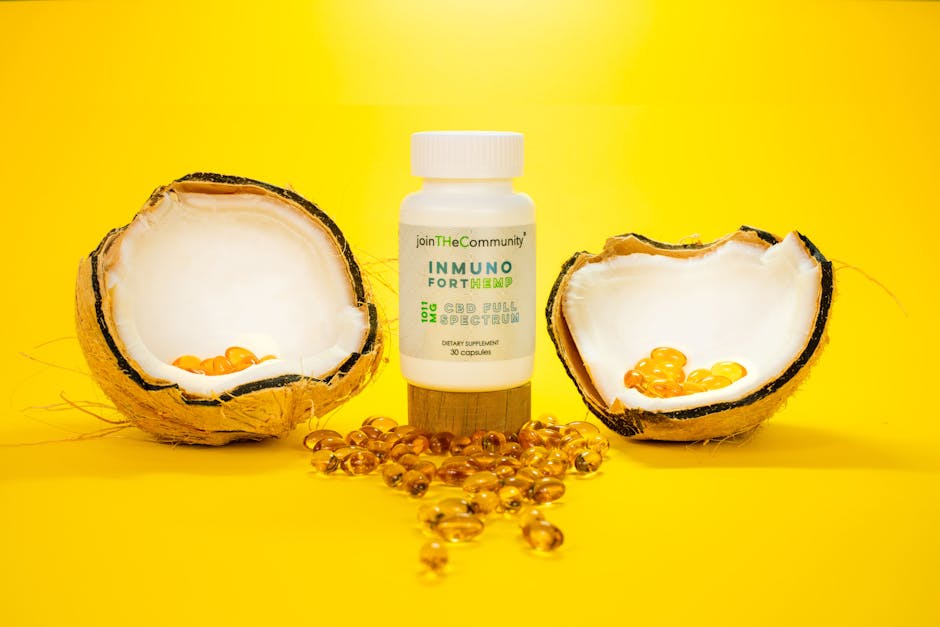
While supplements can play a supportive role, the strongest immune system booster isn’t found in a pill. It’s built through consistent healthy habits like adequate sleep, balanced nutrition, regular physical activity, and effective stress management. These are the non-negotiable foundations for a truly resilient immune system.
The future of immune health will likely see a greater integration of personalized nutrition, genetic insights, and a continued emphasis on foundational lifestyle choices, moving beyond generic "boosters" to truly tailored support that respects the incredible complexity of the human body.