
Look, I’ve been in the gym for over two decades. I’ve seen fads come and go. I’ve shelled out serious cash on every supposed ” supplement out there, only to be disappointed. Before we even talk about specific products, let me set something straight: no pill or powder is going to magically build muscle for you. That’s the biggest misconception I want to smash right now. Supplements are exactly that—supplements. They support an already solid foundation, not replace it.
You see people chasing the next big thing, convinced some obscure extract is the secret. It’s not. The real secrets are consistent effort, smart nutrition, and proper recovery. Once those are locked in, then we can talk about what might give you an edge. And trust me, the list of effective supplements is a lot shorter than you think.
The Core Truth About Building Muscle (It’s Not a Supplement)
Before you even think about dropping cash on powders and pills, you need to understand that muscle growth, or hypertrophy, hinges on a few fundamental principles. I’m talking about the stuff that actually moves the needle. If you’re skipping these, you’re just throwing money away on supplements.
Prioritizing Training Intensity and Volume
Your muscles grow when they are forced to adapt to a challenge greater than what they’ve previously experienced. This is progressive overload. It means consistently lifting heavier, performing more reps with the same weight, or doing more sets over time. If your training isn’t hard, if you’re not pushing yourself to failure or close to it, then no supplement in the world will make a difference. I learned this the hard way, thinking I could half-ass my lifts and supplement my way to gains. Nope. You need to be in the gym, putting in the work. Track your lifts. Aim for more weight, more reps, or more sets than last time. That constant challenge is what signals your body to build new muscle tissue.
Mastering Your Caloric Surplus and Protein Intake
This is non-negotiable. To build muscle, your body needs more calories than it burns. This is a caloric surplus. Without it, your body simply doesn’t have the energy or raw materials to construct new muscle tissue. You can train like a beast, but if you’re not eating enough, you’ll just spin your wheels. I’ve spent years meticulously tracking my food, and it made a bigger difference than any supplement ever did. Along with total calories, protein intake is critical. Aim for around 0.8 to 1 gram of protein per pound of body weight. This provides the amino acids necessary for muscle repair and growth. Without sufficient protein, those hard-earned muscle fibers can’t rebuild and get stronger. Think of protein as the bricks for your muscle house; you can’t build it without them.
The Underrated Power of Sleep and Recovery
You don’t build muscle in the gym; you break it down there. Muscle growth happens during recovery, especially when you’re sleeping. This is when your body releases growth hormone and testosterone, essential for repair and hypertrophy. If you’re consistently getting less than 7-9 hours of quality sleep, you’re short-changing your gains. I used to burn the candle at both ends, thinking I could just power through. My strength stalled, my energy plummeted, and I was constantly sore. Once I prioritized sleep, everything changed. Foam rolling, stretching, and active recovery also play a role in keeping your body primed for the next session. Don’t underestimate the power of simply resting.
Creatine: The One Supplement You Absolutely Need

If I could only recommend one supplement for muscle growth, it would be creatine. Hands down. This isn’t some ‘maybe it helps’ kind of thing. This is a ‘it unequivocally works’ kind of thing. I’ve been taking creatine for over 15 years, and it’s the most researched and effective supplement for increasing strength, power output, and lean muscle mass. If you’re not taking it, you’re leaving gains on the table.
Creatine helps your body produce more ATP, which is the primary energy source for short bursts of high-intensity exercise, like lifting weights. More ATP means you can squeeze out an extra rep or two, lift slightly heavier, or recover faster between sets. Over time, those extra reps and heavier lifts translate directly into more muscle growth.
Creatine Monohydrate vs. Other Forms
Walk into any supplement store, and you’ll see a dozen different types of creatine: creatine HCl, creatine ethyl ester, buffered creatine, liquid creatine, you name it. Don’t fall for the marketing hype. Creatine monohydrate is the gold standard. It’s the most studied, most effective, and cheapest form. All the fancy, expensive versions offer no proven additional benefits. Some might claim better absorption or fewer side effects, but the science just isn’t there to back it up.
| Creatine Type | Key Benefits | Price (approx. 2026) | My Verdict |
|---|---|---|---|
| Creatine Monohydrate | Most studied, proven effective for strength, power, muscle gain. | $45/1kg | My top pick. Don’t overthink it. |
| Creatine HCl | Higher solubility, sometimes touted for less bloating. | $60/500g | Overpriced. No real advantage over mono. |
| Creatine Ethyl Ester | Claims better absorption. | $70/500g | Breaks down to inactive creatinine. Avoid. |
| Buffered Creatine | Claims to reduce stomach issues. | $55/500g | No evidence it’s superior to monohydrate. |
Dosage and Timing for Max Effect
The standard effective dose is 3-5 grams of creatine monohydrate per day. You don’t need to load it (taking 20g/day for a week), but you can if you want to saturate your muscles faster; it just means you’ll see benefits quicker. I typically just take 5 grams daily, every single day, even on rest days. The timing isn’t critical either. Some people like it before a workout, some after. I just mix it into my morning protein shake or water whenever it’s convenient. Consistency is what matters most here. Just get your 5 grams in.
My Go-To Pick: BulkSupplements Creatine Monohydrate
I’m not loyal to brands for everything, but for creatine, I always go with BulkSupplements Creatine Monohydrate. Why? Because it’s exactly what it says it is: pure, unflavored creatine monohydrate, without any fillers or unnecessary additives. And it’s incredibly cost-effective. A 1kg bag typically costs around $45 and lasts for months. You can find it on Amazon or directly from their site. It’s simple, effective, and doesn’t break the bank. Don’t buy the expensive flavored stuff; just mix this into water or a shake and get on with it.
Protein Powder: A Convenience, Not a Miracle
Protein powder often gets treated like the holy grail of muscle building, but it’s not. It’s a convenient food source, plain and simple. If you can get all your protein from whole foods—chicken, eggs, beef, fish, dairy—then you absolutely do not need protein powder. However, for most of us leading busy lives, hitting that 0.8-1g per pound of body weight target exclusively with whole foods can be a challenge. That’s where protein powder shines: it’s an easy, quick way to bump up your daily protein intake.
Why Whey Protein Isolate Wins for Post-Workout
When it comes to post-workout, or any time you need protein fast, whey protein isolate is my pick. It’s quickly digested and absorbed, meaning those amino acids get to your muscles rapidly to kickstart the repair process. Whey isolate has a higher protein concentration per serving and is lower in lactose, fats, and carbs compared to regular whey concentrate. If you have any mild dairy sensitivities, isolate is often easier on the stomach. I usually mix 25-30 grams in water immediately after my training sessions. It’s not magic, but it helps ensure my muscles get what they need when they’re most receptive.
When to Use Casein Protein (And My Favorite)
While whey is fast-acting, casein protein is the opposite: it’s a slow-digesting protein. This means it releases amino acids into your bloodstream gradually over several hours. This makes it ideal for times when you want a sustained release of protein, like before bed. I often have a casein shake about an hour before I hit the hay. It helps prevent muscle breakdown during the overnight fast, ensuring a steady supply of amino acids throughout the night. For a casein powder, I lean towards Dymatize Elite Casein. It mixes well and tastes decent. A 2lb tub usually runs about $60.
Don’t Overpay: Myprotein Impact Whey vs. Optimum Nutrition Gold Standard
There are countless protein powders out there, and many are overpriced. For general use, especially for whey concentrate, I compare two big players. Myprotein Impact Whey Protein is consistently one of the best value options on the market. You can usually snag a 2.2lb bag for around $55, and it comes in a massive variety of flavors. It’s a solid choice if you’re looking for good quality at a reasonable price. Optimum Nutrition Gold Standard 100% Whey is another popular one, and for good reason. It’s high quality, tastes great, and mixes perfectly. However, it often comes at a premium, typically around $70 for a 2lb tub. While both are excellent products, if budget is a concern, Myprotein offers comparable quality for less money. Don’t buy into the idea that more expensive necessarily means better for basic protein powder.
Don’t Waste Your Money Here (Common Scams)

Seriously, skip the fat burners, testosterone boosters (unless prescribed by a doctor), BCAAs, glutamine, and pre-workouts packed with proprietary blends. Most of them are snake oil, underdosed, or just plain ineffective. You’ll get better results by investing that money into quality food or a gym membership. Do not buy X, get Y instead: don’t buy that sketchy ‘testosterone booster’ from Instagram, invest in more whole protein sources.
Beta-Alanine and HMB: Worth Considering, Under Specific Conditions
These two aren’t in the same ‘must-have’ category as creatine, but they do have their place for certain individuals or goals. I’ve used both at different points in my training journey, and while the effects aren’t as dramatic as creatine, they can offer a noticeable, albeit subtle, boost when everything else is dialed in.
Beta-Alanine: Pushing Through Those Extra Reps
Beta-alanine is an amino acid that helps increase carnosine levels in your muscles. Carnosine acts as a buffer against lactic acid buildup, which is what causes that burning sensation and fatigue during intense exercise. By buffering lactic acid, beta-alanine can help you push out a few extra reps or maintain intensity for longer during sets that last between 60-240 seconds. Think of those grueling 8-15 rep sets where you really feel the burn. The typical dose is 2-5 grams per day. The most common side effect is a tingling sensation (paresthesia), which is harmless and usually subsides with continued use or by taking smaller, split doses throughout the day. I’ve found it useful for high-volume training blocks, letting me eke out those crucial extra reps.
HMB: When Muscle Preservation Matters Most
HMB (beta-hydroxy-beta-methylbutyrate) is a metabolite of the amino acid leucine. Its primary role is to help prevent muscle protein breakdown, especially during periods of high stress, intense training, or caloric deficit. It’s not a direct muscle builder like protein or creatine, but rather an anti-catabolic agent. I found it most useful when I was cutting calories for a competition or when going through a particularly intense training phase where overtraining was a risk. For someone who is already well-trained and looking to preserve muscle while in a deficit, HMB can be beneficial. The recommended dose is 3 grams per day, typically split into 1-gram doses throughout the day. It’s not cheap, usually around $40-$50 for a month’s supply, so consider your specific needs before investing.
My Experience with Transparent Labs Beta-Alanine
When I’m running beta-alanine, I usually opt for Transparent Labs. Their Beta-Alanine product is pure and third-party tested, which I appreciate. A 240g tub typically costs about $30 and lasts for a couple of months if you’re taking 4g/day. It’s unflavored, so I just toss it into my pre-workout drink or water. I’ve noticed a slight but consistent improvement in my endurance during sets, allowing me to maintain higher intensity towards the end of my workouts. It’s not a huge jump, but for a seasoned lifter looking for that extra edge, it’s a solid addition.
My Daily Stacking Strategy for Real Gains
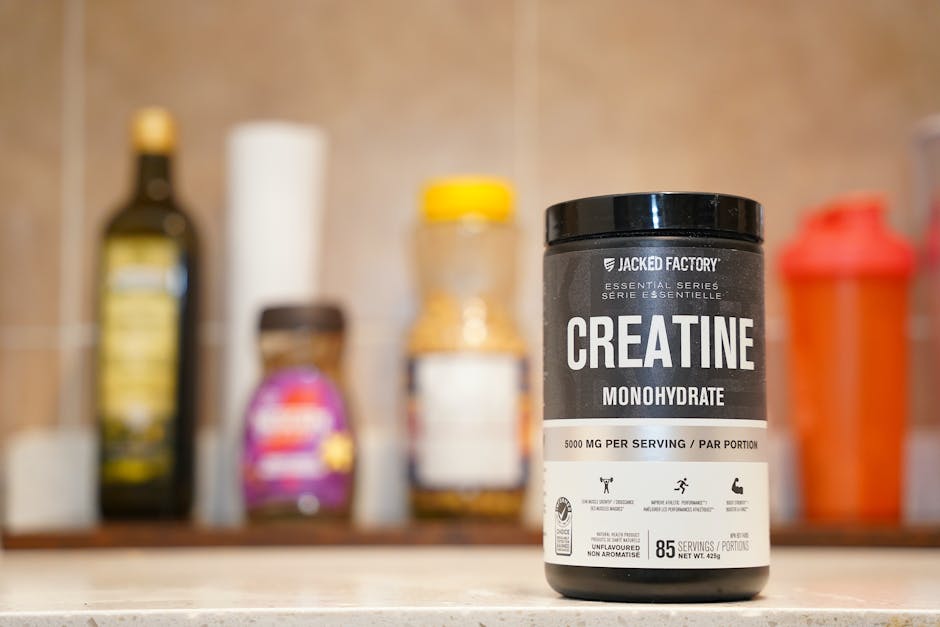
After years of experimenting, this is my current, no-nonsense daily supplement stack. It’s lean, effective, and focused on what truly matters. I don’t believe in taking a dozen different things. If it’s not proven to work, or if it’s redundant, it’s out. This is what helps me maintain my progress without overcomplicating things.
- Morning Routine: I start my day with 5 grams of BulkSupplements Creatine Monohydrate mixed into a glass of water. It’s easy, and I get it out of the way. I also take a high-quality multivitamin to cover any micronutrient gaps, because sometimes my diet isn’t perfect.
- Pre-Workout (30-45 mins before training): If I’m feeling a bit low on energy or want that extra kick, I might have some black coffee (natural caffeine) and 3-4 grams of Transparent Labs Beta-Alanine. I’ve tried all the fancy pre-workouts, and honestly, caffeine and beta-alanine are the only two ingredients that consistently deliver noticeable results for me. I avoid proprietary blends entirely.
- Post-Workout (Immediately after training): Within 15-30 minutes of finishing my workout, I mix 25-30 grams of whey protein isolate (usually Myprotein Impact Whey Isolate) with water. This ensures my muscles get a quick influx of amino acids for recovery and repair.
- Before Bed: About an hour before I hit the pillow, I’ll have 25 grams of Dymatize Elite Casein protein. This provides a slow, steady release of amino acids throughout the night, helping to prevent muscle breakdown while I sleep.
This simple stack addresses the core needs: strength and power (creatine), sustained energy/buffering (beta-alanine), and muscle repair/growth (whey, casein, and general protein intake). Everything else is just noise.
One Last Piece of Advice Before You Buy Anything
I’ve told you what works, what to look for, and what to avoid. But there’s one final, crucial truth I need to lay out there. It’s something that too many people overlook, chasing the next shiny pill when the answer is far simpler and more difficult at the same time.
What’s the Single Biggest Factor for Growth?
It’s not creatine, it’s not protein, it’s not some exotic herb. The single biggest factor for muscle growth is consistency. Showing up, day in and day out, week after week, month after month, year after year. It’s consistently hitting your training sessions. It’s consistently eating enough protein and calories. It’s consistently getting enough sleep. You can have the perfect supplement stack, but if your consistency is lacking, you will not grow. I’ve seen countless people with ‘perfect’ routines and expensive supplements fail because they couldn’t stay consistent for more than a few weeks.
Is Consistency Really That Important?
Absolutely. It’s more important than any specific workout program, more important than any single macro, and certainly more important than any supplement. The body adapts over time, not overnight. Those micro-adaptations from consistent, progressive effort are what build real muscle. Don’t fall into the trap of looking for shortcuts. Master the fundamentals first, then consider the supplements I’ve laid out here to support your already solid efforts. Focus on what you can control: your effort, your diet, and your sleep. The supplements are there to help, but they can’t do the work for you. Get your creatine, get your protein, and then go put in the work. That’s it.