
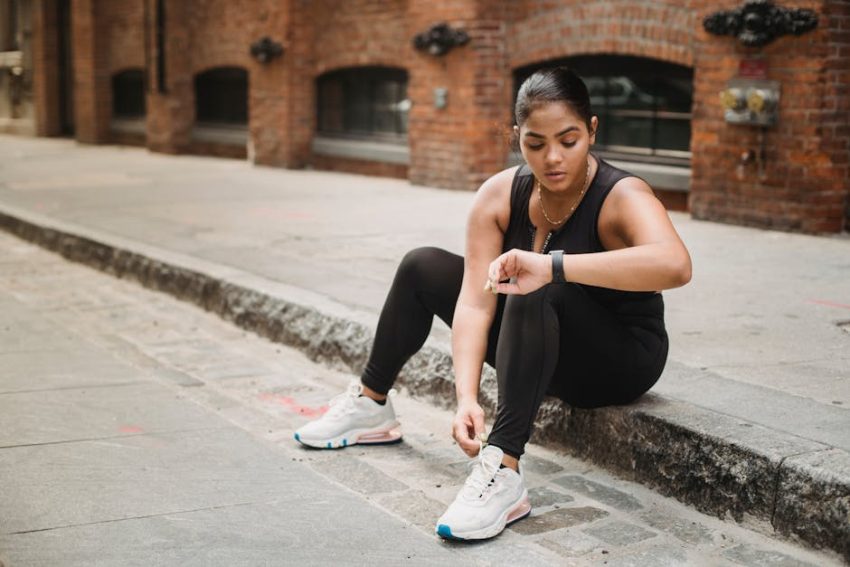
Imagine you are attending a mid-week gallery opening or a formal dinner. You have meticulously curated your outfit, balancing textures and tones, only to find that your wrist is occupied by a bulky, neon-colored silicone slab that screams ‘marathon trainee’ rather than ‘sophisticated professional.’ This aesthetic friction is the primary hurdle for many style-conscious individuals looking to integrate health data into their daily lives. Huawei has spent the last several years attempting to bridge this gap, moving away from the utilitarian plastic aesthetics of early wearables toward something that feels intentional and integrated. Their latest offerings, specifically the Huawei Band 9 and the Watch Fit 3, represent a calculated attempt to marry high-frequency biometric polling with a silhouette that doesn’t ruin a tailored sleeve.
Which Huawei Fitness Tracker Model Fits Your Daily Style?
Choosing a wearable in 2026 is rarely just about the step counter; it is about how that device occupies space on your body. Huawei currently splits its lineup into two distinct form factors that cater to different sartorial preferences. The Huawei Band 9 is the quintessential ‘tracker’—slim, vertical, and unobtrusive. It is designed for those who might already wear a traditional mechanical watch on one wrist and want a discrete data collector on the other. With a chassis thickness of just 8.99mm and a weight of 14 grams (without the strap), it disappears under a French cuff or a tight knit sweater. It avoids the ‘tech-bro’ bulk that plagues many competitors, opting instead for a refined, elongated AMOLED screen that mimics the proportions of a jewelry piece.
On the other end of the spectrum lies the Huawei Watch Fit 3. This device moves into the ‘smartwatch’ territory with its squircle design, which many will immediately compare to the Apple Watch. However, the Watch Fit 3 is significantly thinner and lighter than its Cupertino counterpart. From a fashion perspective, the Watch Fit 3 offers more ‘wrist presence.’ It functions as a statement piece, especially when paired with the gold-tone aluminum case and the white leather strap. The choice between these two models often comes down to whether you want your technology to be a hidden assistant or a visible accessory. The Band 9 is for the minimalist; the Watch Fit 3 is for the individual who views their watch as a central pillar of their outfit.
Comparison of Primary Model Specifications
| Feature | Huawei Band 9 | Huawei Watch Fit 3 |
|---|---|---|
| Display Type | 1.47-inch AMOLED | 1.82-inch AMOLED (1500 nits) |
| Weight (Body Only) | 14g | 26g |
| Build Material | Durable Polymer | Aluminum Alloy |
| Approximate Price | £50 / €59 | £140 / €159 |
| GPS | Connected (Phone Required) | Built-in (Standalone) |
Technical Performance: How Accurate is Huawei’s TruSeen Heart Rate Monitoring?
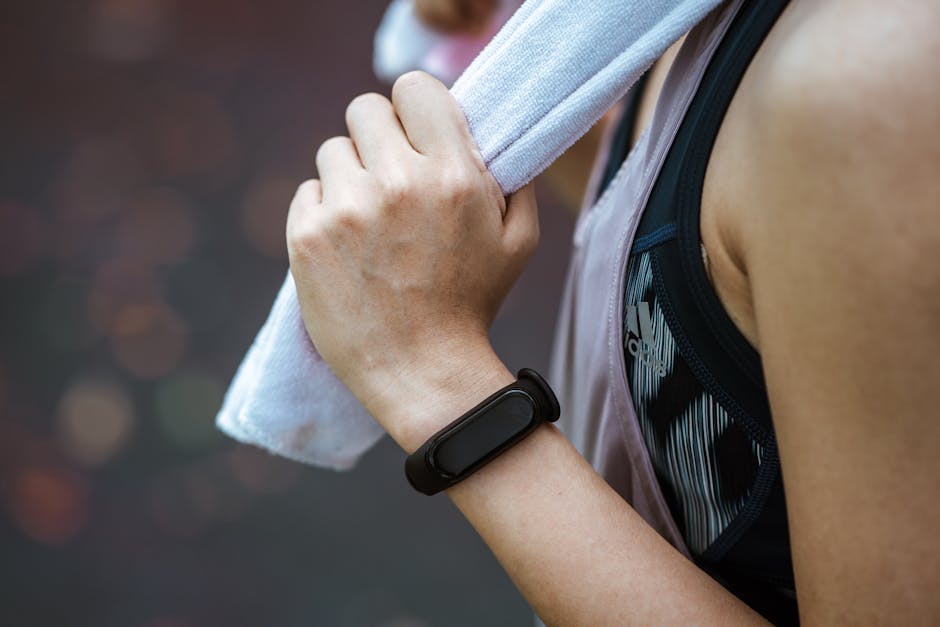
A fitness tracker is only as valuable as the data it produces. Huawei utilizes a proprietary sensor suite branded as TruSeen, currently in version 5.5 for their mid-to-high-end devices. This system relies on a multi-channel signal enhancement algorithm combined with deep learning. In my analysis of the Band 9’s performance during high-intensity interval training (HIIT), the optical heart rate sensor showed a surprising level of resilience against ‘cadence lock’—a common error where the sensor confuses your footfalls with your heartbeat. While no wrist-based optical sensor will ever truly match a chest strap (like the Polar H10) for raw millisecond-to-millisecond accuracy, Huawei has narrowed the gap significantly through aggressive noise-filtering software.
The SpO2 (blood oxygen) monitoring is now continuous rather than on-demand. This is a critical distinction for researchers and health enthusiasts. Most budget trackers only take a reading when you are perfectly still, but the TruSeen 5.5 system attempts to filter out movement artifacts to provide a broader picture of your oxygen saturation throughout the day. This is particularly useful for identifying potential sleep disturbances or monitoring recovery during high-altitude travel. However, one must remain aware that these are not medical-grade devices; they are directional tools. If the tracker shows a dip, it is a prompt to investigate, not a clinical diagnosis. The inclusion of an improved 9-axis sensor in the latest models also allows for better detection of swimming strokes and more nuanced movement tracking, which contributes to a more accurate ‘active calorie’ burn calculation.
Accuracy in wearables is often a battle against skin tone, hair density, and ambient light leakage. Huawei’s use of curved sapphire-textured glass on the sensor housing helps maintain better contact with the skin, reducing the light interference that often plagues flatter, cheaper sensor arrays.
Battery Life and Charging Efficiency: Real-World Testing Results
The most elegant piece of technology becomes a useless plastic ornament the moment the battery dies. Huawei has historically dominated this category, and their 2026 lineup continues that trend, albeit with some caveats regarding the Always-On Display (AOD). The Huawei Band 9 is rated for 14 days of ‘typical’ use. In a deep-dive test with all health sensors active (continuous HR, stress tracking, and sleep breathing awareness), that number drops to roughly 9 days. If you enable the AOD—which is essential if you want the device to actually look like a watch—you are looking at about 3.5 to 4 days of life. This still outperforms the industry leaders who often require nightly charging, but it is a significant drop from the marketing headliner.
The Watch Fit 3 follows a similar trajectory. With its larger, 1500-nit peak brightness screen, it consumes more power. Huawei claims 10 days, but with moderate GPS usage for morning runs and notifications enabled, 7 days is a more realistic expectation for the average user. What is particularly impressive, however, is the fast-charging capability. A mere 10-minute charge on the magnetic puck can provide enough juice for a full day of use. This ‘top-up’ philosophy is much more compatible with a busy lifestyle than the ‘overnight charge’ cycle. You can charge the device while you shower and get ready for work, ensuring you never have to choose between tracking your data and completing your look.
Pros and Cons of Huawei Power Management
- Pro: Proprietary OS is extremely lightweight, allowing for multi-day use even with heavy sensor polling.
- Pro: Fast charging is genuinely effective; 45 minutes usually results in a 0-100% charge.
- Con: The magnetic charging pins are proprietary and somewhat weak; a slight bump can disconnect the cable.
- Con: Enabling the Always-On Display (AOD) reduces battery life by more than 60%, a heavy price for aesthetics.
Huawei Health App Integration and Ecosystem Compatibility
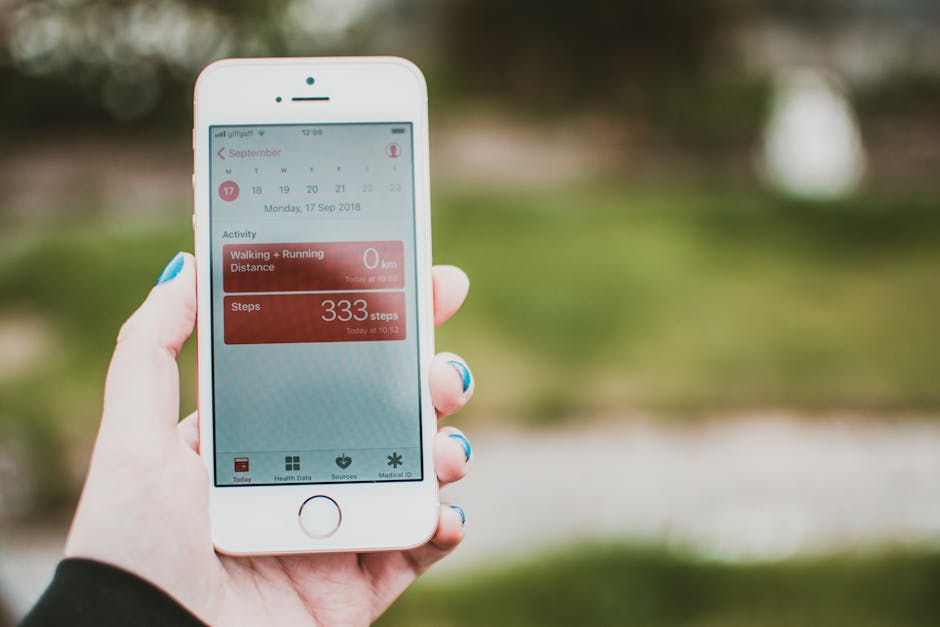
This is where the conversation regarding Huawei becomes nuanced and, for some, complicated. Due to ongoing trade restrictions, the Huawei Health app is not available on the standard Google Play Store for Android users. To install it, you must either download the Huawei AppGallery or use a QR code to download the APK directly from Huawei’s servers. While this is a simple five-minute process for a tech-savvy individual, it represents a significant friction point for the average consumer. For iOS users, the experience is much smoother, as the app is available directly in the Apple App Store and syncs surprisingly well with Apple Health.
The app itself is a masterclass in data visualization. It avoids the cluttered, ad-heavy interface of some rivals, opting for a clean, card-based layout. The ‘Health Clovers’ system provides a visual representation of your daily goals—sleep, steps, and mood—which feels less like a lecture and more like a gentle nudge. However, the ecosystem is somewhat closed. While you can sync data to Strava or Komoot through third-party workarounds like HealthSync, it isn’t as seamless as the native integrations found in Garmin or Fitbit. If you are deeply embedded in the Google Fit or Samsung Health ecosystem, moving to Huawei requires a willingness to live within their walled garden. For the researcher, the granularity of data—down to specific sleep stages and skin temperature variations—is excellent, provided you are comfortable with where that data is being stored.
Design Aesthetics and Material Durability for Long-Term Wear
From a fashion perspective, the materials used in a fitness tracker dictate its longevity in your wardrobe. The Huawei Band 9 utilizes a high-gloss finish on its polymer case that mimics the look of polished metal. While it looks stunning out of the box, it is susceptible to micro-scratches over months of wear. The Watch Fit 3, with its aluminum alloy body, is significantly more robust. The tactile feedback of the rotating crown on the Fit 3 is a subtle but important detail; it feels like a piece of horological equipment rather than a toy. This crown allows for navigation through menus without smudging the screen with finger oils—a small but appreciated feature for maintaining a clean aesthetic.
The strap system is another area where Huawei has innovated. They use a ‘Link’ design that allows for quick swapping of bands without the need for specialized tools or tiny, frustrating pins. You can switch from a sweat-resistant fluoroelastomer strap for your morning gym session to a sophisticated Milanese loop or a leather strap for your afternoon meetings in under thirty seconds. This versatility is central to the ‘fashion’ appeal of the device. However, a ‘con’ to note is that these are proprietary lugs. You cannot simply buy a standard 20mm watch strap from a local jeweler; you must buy straps designed specifically for the Huawei Link system. While the official options are high-quality, it does limit your third-party choices compared to a standard watch.
Durability and Material Analysis
- Glass: Both models use 2.5D curved glass. It lacks the sapphire crystal of high-end watches but features an effective oleophobic coating to resist fingerprints.
- Water Resistance: Rated at 5 ATM (50 meters). It is perfectly safe for swimming in pools or the ocean, though it should be rinsed with fresh water afterward to prevent salt buildup.
- Skin Sensitivity: The fluoroelastomer straps are hypoallergenic and significantly softer than the cheap TPU straps found on entry-level trackers, reducing the risk of ‘tracker rash’ during long-term wear.
Specialized Sports Tracking and Sleep Analysis Features
Huawei’s TruSleep 4.0 is arguably one of the best consumer-grade sleep tracking suites available. It doesn’t just tell you when you fell asleep; it analyzes your sleep architecture, including REM, light, and deep sleep cycles. The newest feature, ‘Sleep Breathing Awareness,’ monitors for interruptions in your breathing patterns, which can be an early indicator of sleep apnea. While it’s not a medical device, the consistency of the data over several weeks allows users to identify lifestyle factors—like late-night caffeine or alcohol consumption—that correlate with poor recovery scores.
For the fitness enthusiast, the inclusion of over 100 workout modes might seem like overkill, but the depth within the core modes is impressive. The running metrics include ‘Running Ability Index’ (RAI), VO2 Max, and recovery time suggestions. These metrics are calculated based on your heart rate variability (HRV) and historical performance. If you are training for a 10k, the Watch Fit 3 can act as a rudimentary coach, suggesting pace zones based on your current fatigue levels. The ‘Stay Fit’ app on the device also allows for calorie tracking, where you can input your meals directly (though this is tedious) to see a real-time balance of calories in versus calories out. It’s a holistic approach that treats fitness as a 24-hour endeavor rather than a one-hour gym session.
One minor drawback in the sports tracking is the lack of a barometric altimeter in the Band 9. This means it cannot accurately track ‘floors climbed’ or elevation gain during a hike without relying on your phone’s GPS data. The Watch Fit 3 does have better sensor integration for elevation, making it the superior choice for hikers or trail runners. For the fashion-focused user who primarily does Pilates, yoga, or weight lifting, this omission is negligible, but for the outdoor adventurer, it is a point of consideration.
Final Verdict: Are Huawei Fitness Trackers Worth the Investment in 2026?
When we weigh the pros and cons, Huawei’s fitness trackers occupy a unique niche. They offer a level of build quality and screen vibrancy that usually costs twice as much in the Western market. If you are looking for a device that complements a sophisticated wardrobe while providing deep, actionable health insights, the Watch Fit 3 is a compelling alternative to the more expensive mainstream options. It feels like a premium object on the wrist, and the aluminum construction ensures it won’t look ‘tired’ after six months of daily use.
The Huawei Band 9, at its significantly lower price point, is the best value-for-money tracker for the minimalist. It provides 90% of the health features of its larger sibling in a much more discrete package. The primary hurdle remains the software installation for Android users and the proprietary strap system. However, if you are willing to spend ten minutes setting up the app, the reward is a wearable that punches far above its weight class in both technical accuracy and aesthetic refinement. These devices prove that you don’t have to sacrifice your personal style to stay informed about your biological data. They are tools for the modern professional who values both the data in the spreadsheet and the drape of their blazer.
Final Recommendation Summary
| User Profile | Recommended Model | Key Reason |
|---|---|---|
| The Minimalist | Huawei Band 9 | Slim profile, disappears under clothing, excellent price-to-performance ratio. |
| The Fashion-Forward Professional | Huawei Watch Fit 3 | Premium aluminum build, large vibrant screen, looks like a high-end watch. |
| The Data-Driven Athlete | Huawei Watch Fit 3 | Standalone GPS and better elevation tracking for outdoor sports. |
| The Budget-Conscious Student | Huawei Band 9 | Provides high-end sleep and HR tracking for under £50. |
Ultimately, Huawei has succeeded in creating a product line that respects the user’s desire for beauty. In a world of clunky wearables, their commitment to thinness, material quality, and display tech makes them a top contender for anyone who views their fitness tracker as an extension of their fashion identity.