

Your dog just finished their second round of antibiotics this year. Or maybe they keep picking up stomach bugs at the dog park, scratch constantly without a clear allergy diagnosis, or bounce back from minor illness far more slowly than they used to. These aren’t random bad luck. They’re patterns — and patterns usually point to something fixable.
Canine immunity is genuinely modifiable. Diet, gut health, sleep quality, stress load, and targeted supplementation all move the needle in measurable ways. The frustrating part: the supplement aisle at PetSmart is packed with products that have zero clinical backing. Knowing which levers actually work is the difference between real results and expensive urine.
How to Tell If Your Dog’s Immune System Is Struggling
Most immune problems don’t announce themselves dramatically. The signs accumulate quietly over months, and most owners attribute them to bad luck rather than a pattern.
- Recurring ear or skin infections — more than once per year in the same location
- Slow healing from cuts, hot spots, or minor scrapes
- Digestive upset multiple times per month without a clear dietary cause
- Lethargy that doesn’t track with heat, age, or exercise level
- Allergies that worsen each season rather than staying stable
- Getting sick after predictable stress events like boarding, travel, or new environments
One item on that list means little. Three or more, consistently, is when the immune system becomes the logical place to investigate — with a vet first, before reaching for supplements.
The clearest red flag is recurring infection in the same location despite treatment. Seasonal allergies alone don’t indicate immune weakness — they can indicate immune overreaction, which is a different problem that needs a completely different fix.
Five Daily Habits That Build Canine Immune Resilience

Before spending a dollar on supplements, get these fundamentals in place. This is where most of the actual leverage is, and most owners skip straight past it.
-
Protect your dog’s sleep schedule
Adult dogs need 12–14 hours of sleep daily. Puppies and senior dogs need even more. Chronic sleep disruption — from irregular household schedules, nighttime noise, or anxiety — suppresses immune function in dogs the same way it does in humans. Give your dog a consistent, quiet sleeping area away from high-traffic zones of the house. This isn’t optional maintenance.
-
Exercise consistently, not excessively
Moderate daily movement — 30 to 60 minutes for most adult dogs — genuinely improves immune surveillance: the body’s ability to detect and respond to pathogens early. Overtraining does the opposite. Long-distance running without prior conditioning, or intense play during heat, spikes cortisol and actively suppresses immune activity. A tired dog is not automatically a healthy dog.
-
Identify and reduce chronic stressors
Cortisol is a direct immune suppressor. A dog living with persistent stress — from an aggressive housemate, separation anxiety, unpredictable schedules, or a loud environment — runs chronically elevated cortisol levels. If your dog pants, paces, or hides regularly without clear physical cause, fixing the stress source will do more for their immunity than any supplement stack you can buy.
-
Keep parasite prevention current year-round
An active parasite burden forces the immune system into a constant low-grade defensive state, draining resources that should be fighting actual pathogens. Monthly prevention with products like Simparica Trio or NexGard Spectra isn’t optional for most dogs — it’s baseline immune maintenance. Don’t skip flea and tick prevention to afford expensive mushroom supplements. The parasite prevention comes first.
-
Use antibiotics carefully and always follow with probiotics
Antibiotics eliminate gut bacteria indiscriminately. Since roughly 70% of immune function is regulated by the gut microbiome, every unnecessary antibiotic course sets back immunity in ways that can take months to fully recover from. Always ask your vet whether a course is truly necessary. When antibiotics are prescribed, start a high-quality probiotic within two hours of each dose and continue for at least two weeks after the final dose.
Supplements Compared: Probiotics, Omega-3s, Mushrooms, and Vitamins
The pet supplement market is large, largely unregulated, and full of products that sound scientific without being evidence-backed. Here is an honest ranking based on available research — not label claims.
| Supplement Type | Evidence Level | Best Specific Product | Approximate Cost | Verdict |
|---|---|---|---|---|
| Probiotics | Strong | Purina Pro Plan FortiFlora | ~$27 / 30 sachets | Start here. Most studied canine probiotic available. |
| Omega-3 Fish Oil | Strong | Nordic Naturals Omega-3 Pet | ~$18 / 90 soft gels | Reduces inflammation, supports immune cell membranes. Use fish oil, not flaxseed. |
| Medicinal Mushrooms | Moderate | NaturVet Mushroom Max | ~$25 / 60 soft chews | Turkey tail has strongest data. Useful add-on for dogs with chronic illness history. |
| Multivitamin Blends | Low–Moderate | Zesty Paws Multivitamin Bites | ~$30 / 90 chews | Only useful if diet is genuinely deficient. Unnecessary for dogs on complete commercial food. |
| Bovine Colostrum | Moderate | Selplex Bovine Colostrum | ~$35 / 100g | Best application: post-illness or post-antibiotic gut repair. |
| Echinacea | Weak | — | — | Not recommended for long-term use in dogs. Skip it entirely. |
Why probiotics outrank everything else on this list
Purina Pro Plan Veterinary Supplements FortiFlora contains Enterococcus faecium SF68 — a strain with more published canine studies behind it than any other probiotic product in this market segment. It isn’t the most exciting product on the shelf, but it’s the one with genuine evidence. For dogs that need broader microbiome restoration after antibiotics, VetriScience Vetri-Mega Probiotic (~$28 for 120 capsules) offers a multi-strain formula well-suited as a two-to-four week follow-up course.
On omega-3s: why fish oil beats plant-based sources every time
Dogs lack the enzymes to efficiently convert ALA from flaxseed into EPA and DHA — the active anti-inflammatory forms that support immune cell membrane function. Going straight to fish oil skips the conversion step entirely. Nordic Naturals Omega-3 Pet is third-party tested for purity, correctly dosed for dogs by weight, and doesn’t cause the fishy burps common in lower-quality products. For a 40-pound dog, target roughly 1,000–1,200mg of combined EPA and DHA daily.
Foods That Build Lasting Immune Strength From the Inside Out
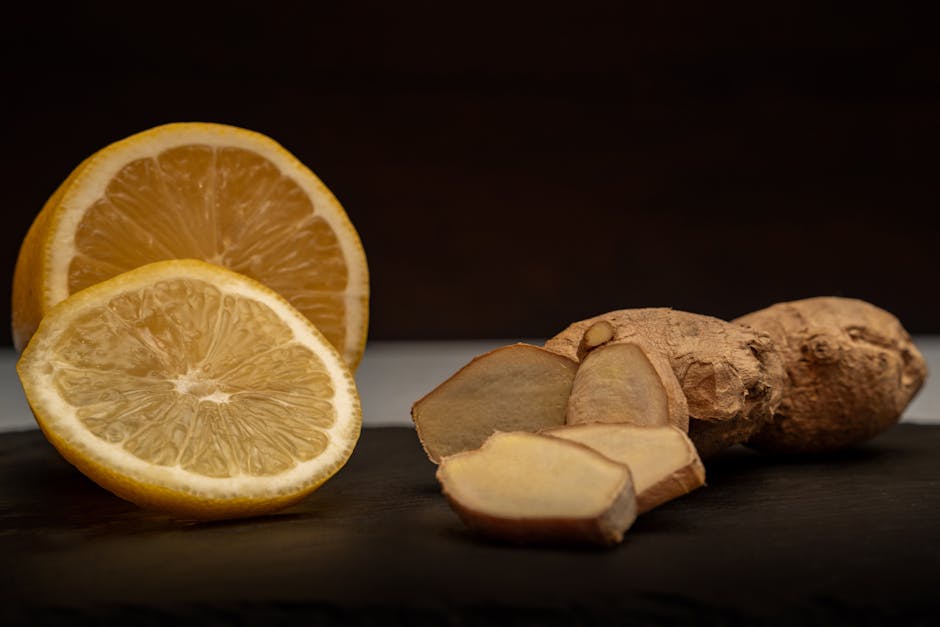
No supplement compensates for a poor diet. The foundation of canine immunity is built in the food bowl, and most commercial dog foods are doing the bare minimum to meet it.
Protein quality drives immune cell production more than any other single dietary variable. A dog eating 30% protein from rendered animal byproducts gets significantly worse immune support than a dog eating 24% protein from whole chicken, eggs, and salmon. The amino acids from high-quality animal protein — particularly arginine, glutamine, and cysteine — directly fuel the production of lymphocytes and neutrophils, which are the immune system’s primary defense cells. When evaluating your dog’s current food, the first two ingredients should be a named whole protein source. Not “meat meal.” Not “animal digest.”
Food toppers worth adding to any bowl
These work as small daily additions to existing meals — one to two tablespoons per serving, not a full diet overhaul:
- Blueberries: Dense in anthocyanins that reduce oxidative stress on immune cells. Three to five blueberries daily for a medium dog is sufficient.
- Plain pumpkin puree: Prebiotic fiber that feeds beneficial gut bacteria. One tablespoon per meal. Must be plain — not pie filling, which contains sugar and spices.
- Sardines packed in water: An inexpensive, whole-food source of EPA and DHA. Two sardines twice a week for a 30-pound dog adds meaningful immune-supporting fats at a fraction of the cost of a fish oil supplement.
- Plain cooked eggs: Complete amino acid profile that directly supports immune cell synthesis. One egg per day is safe for most dogs over 15 pounds.
- Plain kefir: Live-culture fermented dairy rich in probiotic strains. Start with one teaspoon per day and increase slowly — sensitive dogs can experience loose stools if introduced too quickly.
The Honest Kitchen’s Proper Toppers line combines several of these ingredients in a ready-to-use format, running about $20 for a 3oz bag. It works well for owners who want something closer to whole food than processed kibble without sourcing individual ingredients every week.
A clear position on raw feeding
Some raw-fed dogs genuinely thrive — better coat quality, firmer stools, more stable energy. That’s real. But raw food also carries documented bacterial contamination risks (Salmonella, Listeria) that are especially significant for dogs with compromised immunity, puppies under six months, and households with young children or immunocompromised people. If you choose to feed raw, use commercially prepared, frozen options from brands like Primal or Stella and Chewy’s, which undergo high-pressure processing to reduce pathogen load. Home-prepared raw from grocery store cuts skips that safety step and carries meaningful risk. That’s not a reason to avoid raw feeding categorically — it’s a reason to do it correctly.
Hydration is first-line immune infrastructure
Dehydration thickens mucous membranes — the physical barrier that blocks pathogens before the immune system even gets involved. Dogs need roughly one ounce of water per pound of body weight daily. A 50-pound dog needs about 50 ounces, more in heat or after exercise. If your dog is a reluctant drinker, a pet water fountain or a splash of low-sodium chicken broth in the bowl both encourage higher intake consistently.
The Immune-Sabotaging Mistakes Most Dog Owners Are Already Making

The biggest threats to canine immunity usually aren’t gaps in the supplement routine. They’re active mistakes that quietly drain immune capacity month after month while the owner keeps adding products to fix the results.
Stacking too many supplements simultaneously
Fat-soluble vitamins — A, D, E, and K — accumulate in body tissue. They do not flush out like water-soluble vitamins. Vitamin D toxicity in dogs is a documented veterinary emergency with serious consequences. Running five supplements at once also makes it impossible to identify what is helping or causing a reaction. Introduce one supplement at a time, run it for six to eight weeks, evaluate the response, then decide whether to add another. This isn’t excessive caution — it’s how you actually learn what works for your specific dog.
Buying supplements without checking for quality verification
The pet supplement industry has no mandatory FDA pre-approval process for most products. A brand can print “supports immune health” on a label without a single peer-reviewed study behind the formula. Look for the National Animal Supplement Council (NASC) quality seal or third-party testing certification from NSF International or similar bodies. Its absence doesn’t automatically disqualify a product — but its presence means something was actually tested and verified, not just claimed.
Ignoring dental health as a direct immune factor
Chronic periodontal disease sends a steady stream of oral bacteria into the bloodstream, creating a persistent inflammatory burden that compromises immune function over years — not dramatically, but consistently. Veterinary data puts roughly 80% of dogs over age three at some level of periodontal disease. Daily brushing with an enzymatic toothpaste — Virbac CET runs about $8 a tube and is the standard recommendation from most veterinary dentists — isn’t cosmetic care. It’s immune maintenance that the majority of dog owners skip completely.
Treating symptoms when the root cause needs a diagnosis
If your dog keeps getting ear infections, loading them up with probiotics and mushroom supplements might reduce severity at the margins. It won’t fix the actual driver — which could be food allergies triggering yeast overgrowth, an anatomical ear canal issue, or moisture retention from swimming. Supplements support a functioning immune system. They don’t resolve the structural or allergic problems that are generating the infections in the first place. Recurring illness in the same location always warrants a diagnostic conversation before adding another product to the routine.
Here is where to focus your effort, ranked by actual impact:
| Priority | Action | Expected Impact | Cost |
|---|---|---|---|
| 1 | Upgrade protein quality in daily food | High — foundational to everything else | Varies by brand |
| 2 | Add daily probiotic (FortiFlora) | High — especially critical post-antibiotics | ~$0.90 per day |
| 3 | Resolve chronic stress sources | High — often the hidden driver | Free |
| 4 | Add fish oil (Nordic Naturals Omega-3 Pet) | Medium-High — anti-inflammatory support | ~$0.20 per day |
| 5 | Start daily tooth brushing with Virbac CET | Medium — significant long-term benefit | ~$8 per tube |
| 6 | Add medicinal mushroom supplement (NaturVet) | Medium — useful add-on, not a foundation | ~$0.42 per day |
| 7 | Add whole-food toppers (eggs, sardines, kefir) | Medium — cumulative nutrient density | Low |