
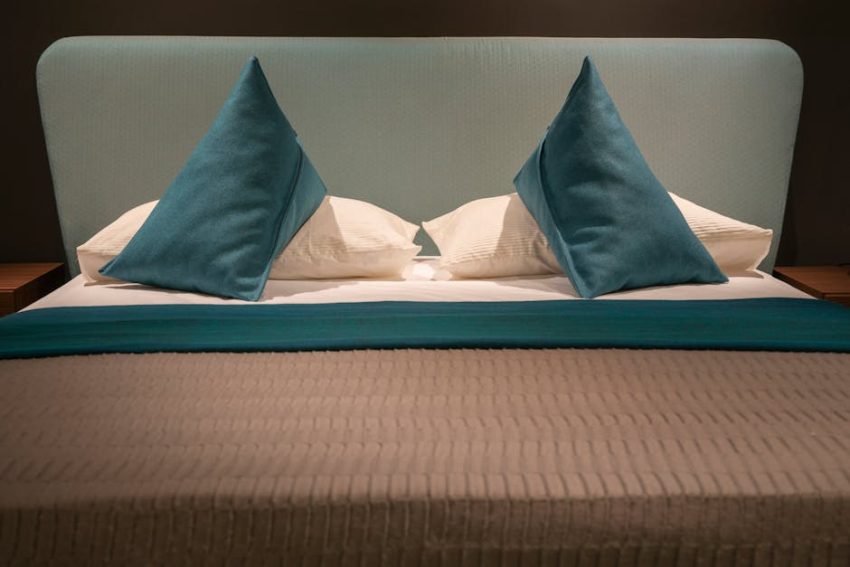
You probably think that the secret to waking up refreshed lies entirely within the six to ten inches of foam or springs inside your mattress. It is a common misconception—one that the bedding industry spends billions of dollars to maintain. But if you are still tossing and turning, the culprit might not be your mattress at all. It is likely what you are wearing, or rather, the specific textile environment you have created around your skin. Sleep is a physiological process heavily regulated by thermoregulation, and your choice of nighttime fashion acts as the primary thermostat. If your pajamas are trapping heat or your sheets are failing to wick moisture, your body cannot drop its core temperature the two to three degrees necessary to initiate deep sleep. We need to stop looking at sleepwear as just ‘comfy clothes’ and start viewing it as performance gear for the most important recovery phase of our day.
Why Traditional Cotton Pajamas Might Be Ruining Your Sleep Cycle
Cotton is often touted as the ‘breathable’ king of fabrics, but in the context of sleeping well, that reputation is somewhat unearned. While cotton is natural, it is also incredibly hydrophilic. This means it absorbs moisture—up to 27 times its weight in water—but it does not release it quickly. If you experience even a minor spike in body temperature during the night, cotton pajamas will soak up that sweat and hold it against your skin. You wake up feeling damp, chilled, and disrupted. This ‘cling’ factor is a major deterrent to the seamless transitions between sleep stages.
The Problem with High-GSM Heavy Cotton
GSM, or grams per square meter, dictates the weight of your fabric. Many luxury ‘heavyweight’ cotton pajamas are actually detrimental to sleep because their density prevents airflow. When you’re looking for the best sleep well experience, you want to avoid anything over 200 GSM in cotton unless you live in a sub-zero environment with no heating. The heavy fibers create a microclimate that becomes a heat trap. Instead, if you must stick with cotton, look for Pima or Egyptian cotton with a long-staple fiber, which allows for a finer, more breathable weave that doesn’t sacrifice durability.
Weave Matters: Percale vs. Sateen
Even the way the threads are interlaced changes your sleep quality. Percale is a one-over, one-under weave that feels crisp and cool, much like a high-end hotel sheet. It is the superior choice for hot sleepers. Sateen, conversely, uses a four-over, one-under pattern that exposes more thread surface, making it feel smoother and heavier. While sateen looks more ‘fashionable’ on a made bed, it is significantly warmer. If your goal is to optimize rest, the structural breathability of a percale weave is almost always the better bet for maintaining a steady skin temperature.
Evaluating Silk vs. Synthetic Satin for Nighttime Temperature Control
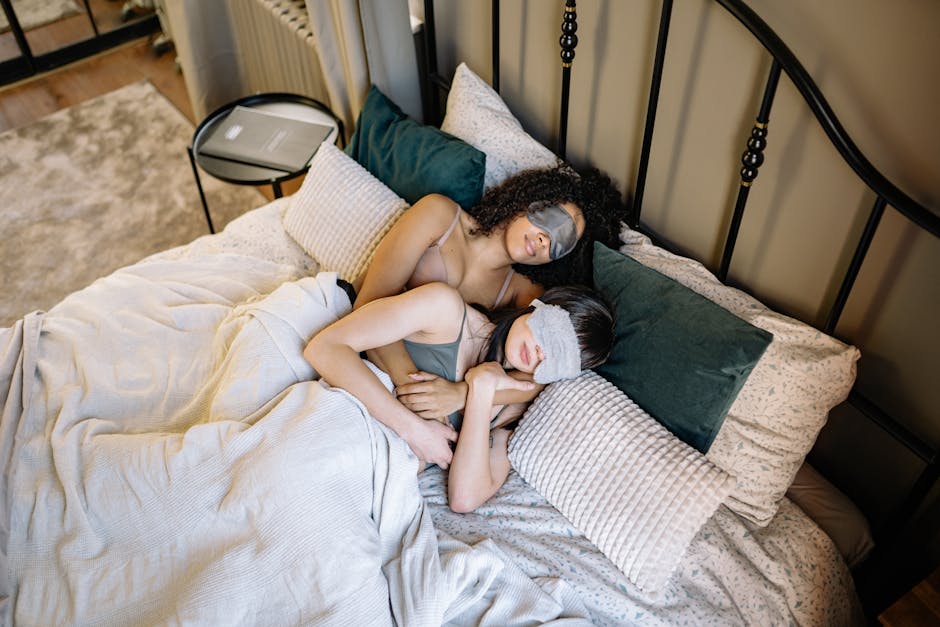
When we talk about the ‘best sleep well’ garments, silk is the undisputed gold standard, but it is also the most misunderstood. Real mulberry silk is a protein fiber, much like human hair. It contains 18 different amino acids that can actually help maintain skin hydration—a stark contrast to cotton which sucks moisture out of your face and body. However, the market is flooded with ‘satin’ which is often just a fancy word for polyester. Synthetic satin is essentially plastic; it is non-breathable and will lead to a ‘greenhouse effect’ under the covers.
Lunya Washable Silk Set: The Practical Luxury Choice
Lunya has effectively cornered the market on ‘modern sleep fashion’ by solving the biggest hurdle to silk: maintenance. Their Washable Silk High Rise Pant Set (approx. $188) is designed specifically for the person who wants the benefits of silk without the dry-cleaning bill. The silk is treated to be machine washable while retaining its thermoregulating properties.
Pros: Excellent temperature regulation, machine washable, flattering oversized fit.
Cons: High entry price, silk can be delicate and prone to snagging if you have pets with claws.
Comparing Real Silk and Polyester Satin
| Feature | Mulberry Silk (19-22 Momme) | Polyester Satin |
|---|---|---|
| Breathability | High (Protein-based) | Low (Petroleum-based) |
| Moisture Wicking | Excellent | Poor (Repels but doesn’t wick) |
| Skin Health | Hypoallergenic, Amino-rich | Can trap bacteria and oils |
| Price Point | $150 – $300 | $20 – $50 |
Real silk isn’t just about the ‘feel’—it’s about the molecular structure. Silk fibers are hollow, allowing them to absorb and release moisture rapidly, which is why you never feel ‘sweaty’ in high-quality silk pajamas.
Best Moisture-Wicking Sleepwear Brands for Hot Sleepers in 2026
If silk feels too precious for your lifestyle, the next tier of sleep-well technology involves semi-synthetic cellulose fibers like Bamboo Viscose and Tencel Lyocell. These fabrics are engineered specifically to outperform natural fibers in moisture management. They are incredibly soft—often compared to a mix between silk and cashmere—but they are much more durable for daily wear. For anyone struggling with night sweats or hormonal temperature fluctuations, these are the ‘performance’ fabrics of the fashion world.
Cozy Earth Bamboo Pajamas: The Softness Leader
Cozy Earth gained massive popularity (and an Oprah endorsement) for their Bamboo Pajama Set (approx. $175). These are made from premium viscose from bamboo. The fiber is naturally round and smooth, which means there are no sharp spurs to irritate the skin. This makes it an ideal choice for people with eczema or sensory sensitivities.
Pros: Unrivaled softness, stays significantly cooler than cotton, generous sizing.
Cons: The fabric is heavy and can feel ‘drapey’ or clingy if you prefer a structured fit; prone to pilling if dried on high heat.
SIJO Tencel Lyocell Sheets and Sleepwear
Tencel is a brand name for lyocell, a fiber made from wood pulp (usually eucalyptus) in a closed-loop process. SIJO’s Eucalyptus Tencel Sheet Set (approx. $165 for Queen) and matching loungewear are widely regarded as the most ‘chilling’ fabrics on the market. Tencel is more absorbent than cotton but dries much faster than bamboo. If you are a ‘furnace’ sleeper, this is your best defense against waking up in a pool of sweat.
Pros: Most effective cooling properties, sustainable manufacturing, antimicrobial.
Cons: The material is very slippery, which can cause blankets to slide off the bed.
How Weighted Bedding Influences Deep Sleep and Cortisol Levels
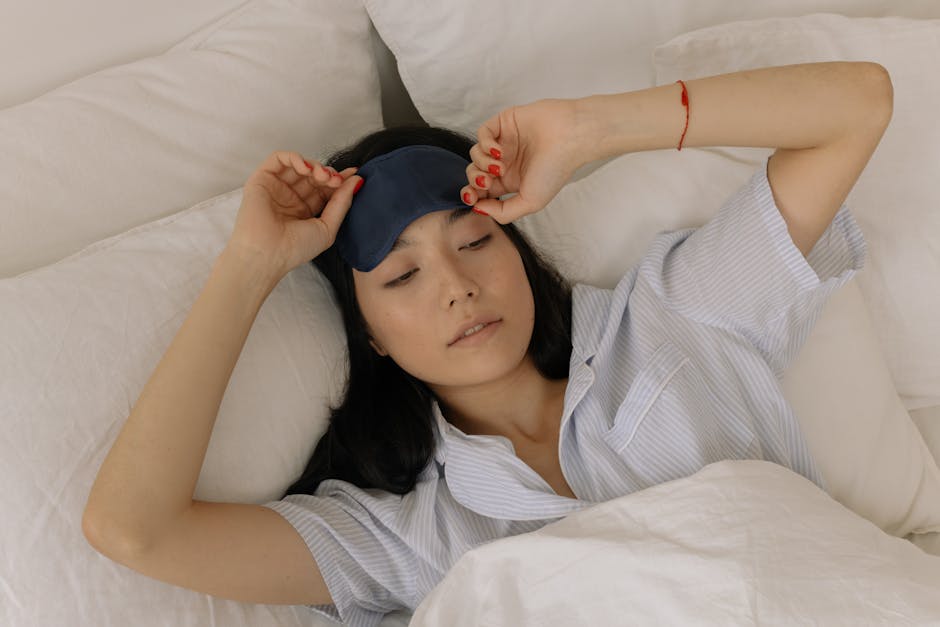
Moving away from the clothes themselves, the weight of what you put on top of your body is a critical component of the ‘best sleep well’ equation. This isn’t just a trend; it’s based on Deep Pressure Stimulation (DPS). Similar to how a swaddle calms an infant, weighted bedding encourages the brain to release serotonin and melatonin while simultaneously reducing cortisol levels. The fashion element here comes in the construction—gone are the days of ugly, medical-looking weighted blankets filled with leaking glass beads.
Bearaby Cotton Napper: The Aesthetic Powerhouse
Bearaby changed the weighted blanket game by removing the beads entirely. Their Cotton Napper (approx. $249) uses layers of organic cotton jersey knitted into a thick, chunky braid. This design is brilliant because the loops in the knit allow for massive amounts of airflow. Traditional weighted blankets are notorious for being too hot; the Bearaby solves this by being essentially a giant, heavy net.
Pros: Extremely breathable, looks like a high-end home decor piece, no shifting beads.
Cons: Very difficult to wash (it becomes incredibly heavy when wet), and the chunky knit can feel uneven to some users.
Gravity Blanket: The Original Standard
The Gravity Blanket (approx. $250) remains a top contender because of its precise weight distribution. It uses fine glass beads sewn into small quilted squares. This prevents the weight from pooling at your feet. For those who suffer from Restless Leg Syndrome or high anxiety, the more uniform pressure of a Gravity blanket might be more effective than a knitted version.
Pros: High-quality duvet cover (removable), scientifically backed weight ratios.
Cons: Can be quite warm, even the ‘cooling’ version doesn’t breathe as well as a knit.
The Science Behind Blue Light Blocking Eyewear and Melatonin
We cannot talk about sleeping well without addressing the digital elephant in the room. Our evening ‘fashion’ now often includes tech-wear. Your circadian rhythm is governed by the presence of blue light. When the photoreceptors in your eyes detect blue wavelengths (which are abundant in phone and TV screens), they signal the pineal gland to suppress melatonin production. Wearing blue-light-blocking glasses for the two hours before bed is one of the most effective ‘hacks’ for shortening the time it takes to fall asleep.
Swannies Blue Light Blockers: Clinical Grade
Most ‘blue light’ glasses you see for $10 on Amazon are clear-lensed and only block about 10-15% of the relevant spectrum. To actually impact melatonin, you need an amber or orange tint. Swannies (approx. $69) are the most popular choice for those serious about sleep. They block over 99% of blue light between 400-500nm.
Pros: Proven to improve sleep latency, high-quality frames.
Cons: The orange tint distorts colors, making it annoying to watch movies or edit photos.
Felix Gray: The Subtle Alternative
If you cannot bring yourself to wear bright orange goggles, Felix Gray glasses (approx. $95) offer a more socially acceptable middle ground. Their lenses are clear but use a proprietary filtering technology embedded directly into the lens material rather than a coating. While they don’t block as much blue light as the amber versions, they are significantly more effective than standard computer glasses.
Pros: Look like regular fashionable eyewear, reduce digital eye strain.
Cons: Less effective for late-night ‘biohacking’ than tinted lenses.
Selecting the Right Sleep Mask for Complete Light Blockage
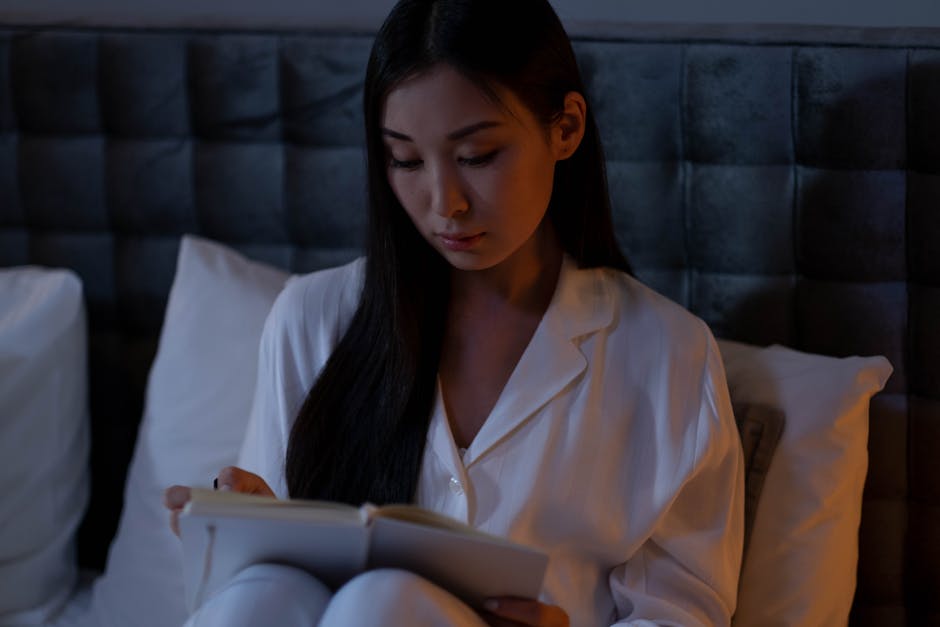
Finally, we reach the most underrated piece of sleep fashion: the eye mask. Even a tiny amount of light—the glow from a streetlamp or the standby light on a humidifier—can penetrate your eyelids and disrupt your REM cycle. However, most people hate sleep masks because they put pressure on the eyeballs or slip off during the night. The best sleep well masks are those that create a total blackout ‘chamber’ without touching your eyes.
Manta Sleep Mask: The Zero-Pressure Solution
The Manta Sleep Mask (approx. $35) is designed with adjustable eye cups that look like small donuts. These cups create a seal around your eye socket, allowing you to blink freely and ensuring that no light enters from the sides. This is a massive improvement over flat masks that squash your eyelashes.
Pros: 100% blackout, no eye pressure, fully adjustable for any head size.
Cons: The eye cups are bulky, which can be uncomfortable for side sleepers who might feel the cup pressing into their cheek.
Brooklinen Mulberry Silk Eye Mask: The Skin-First Choice
If you are a side sleeper or someone who prioritizes skin health, the Brooklinen Silk Mask (approx. $29) is a better fit. It is made from 100% mulberry silk, which reduces friction on the delicate skin around the eyes, preventing ‘sleep wrinkles.’ It doesn’t offer the same structured blackout as the Manta, but it is much more comfortable for those who move around a lot in their sleep.
Pros: Gentle on skin and hair, very lightweight, affordable.
Cons: Does not block 100% of light for everyone, elastic can stretch out over time.
Achieving the best sleep well environment is about layering these choices. It starts with a base layer of moisture-wicking fabric (like silk or Tencel), followed by a breathable weighted layer for nervous system regulation, and finally, the sensory blockers like blue-light glasses and masks. When you stop treating sleep as a passive activity and start dressing for it as an active recovery session, the quality of your rest will transform. It is not just about the hours spent in bed; it is about the thermal and sensory environment you maintain during those hours. Invest in the textiles that touch your skin—they are far more influential than you’ve been led to believe.